
Field Tilt and PPDA: Measuring Territorial Control and Pressing Intensity
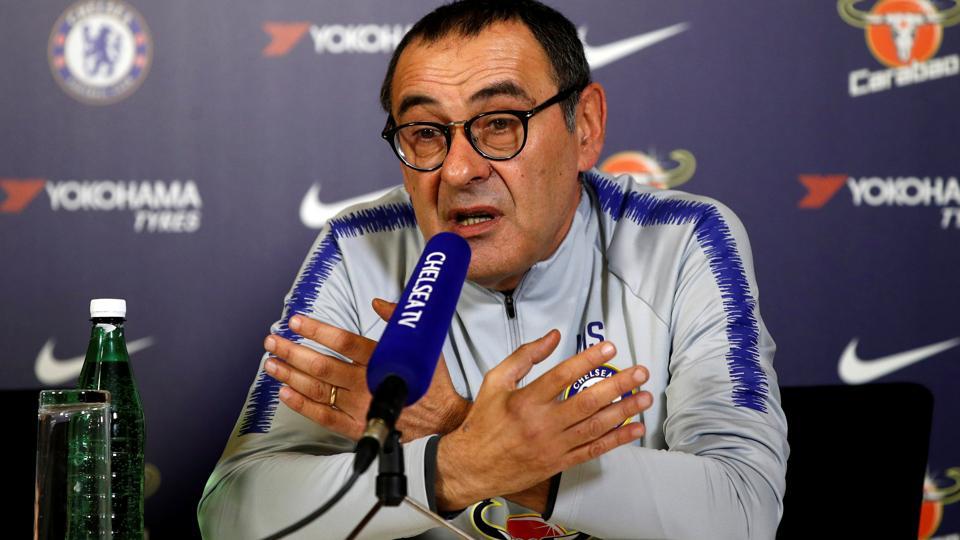
Raw possession percentages often mislead observers about who truly dictates a football match. A team passing sideways between its center-backs and goalkeeper can hold 62 percent of the ball without ever threatening the opponent’s penalty area. To capture genuine territorial dominance and defensive aggression, analysts rely on two complementar
Post-Shot xG (PSxG) and Goalkeeper Evaluation: Separating Luck From Shot-Stopping

For decades, goalkeeper evaluation leaned heavily on save percentage and clean sheets—metrics distorted by the quality of the defense standing in front of the net. A goalkeeper behind an elite back four might face mostly routine long-range efforts and boast an 80 percent save rate, while a busy keeper behind a porous defense looks worse on paper de
Expected Goals (xG) Explained: What Shot Quality Reveals Beyond the Scoreline

Traditional box scores tell you how many shots a team attempted and how many hit the target, yet they treat a speculative strike from 30 yards identically to a tap-in inside the six-yard box. Expected Goals (xG) solves this distortion by assigning every shot a probability between 0 and 1 representing the likelihood that an average player converts t
Mid-Block Compactness: Controlling Central Lanes Without Exhausting the Squad
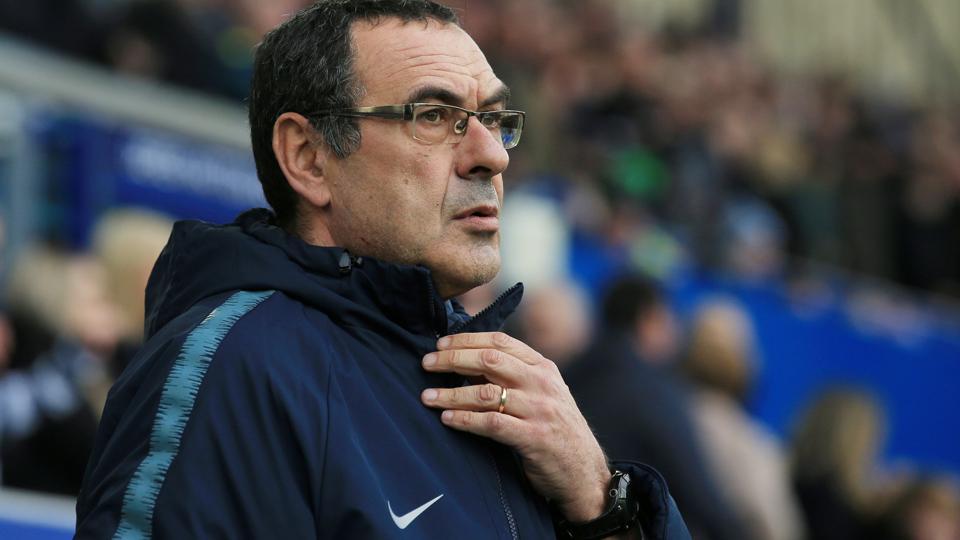
Pressing high for ninety consecutive minutes is physically unsustainable across a congested seasonal calendar, yet dropping into a passive low block surrenders too much territory and invites constant box pressure. The mid-block bridges both extremes. By setting the initial line of engagement near the center circle and maintaining tight vertical and
Planning Two Transfer Windows Ahead to Avoid Deadline-Day Panic Deals
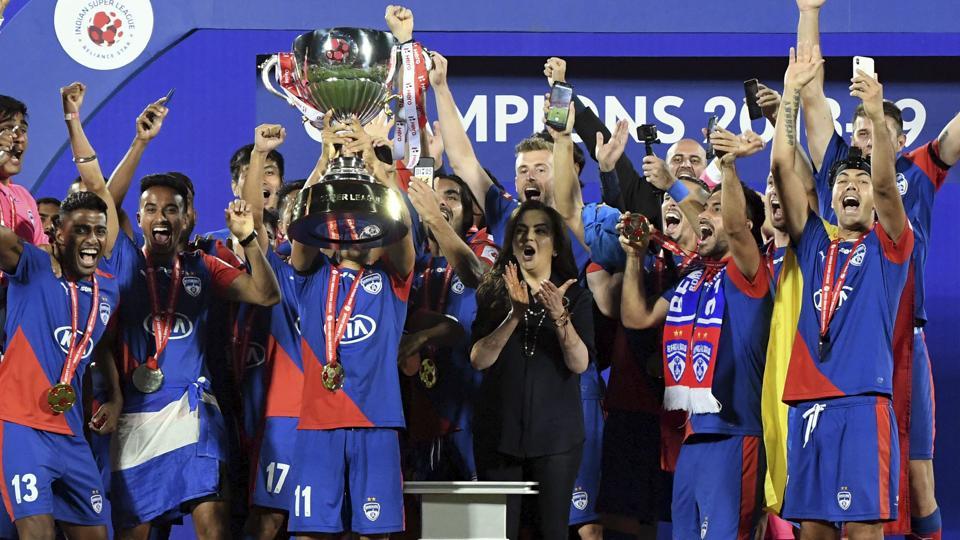
Deadline-day madness makes for gripping television, yet inside well-run sporting departments, frantic last-hour signings usually expose months of broken planning. When an unexpected August injury or sudden sale triggers improvised bids in the final forty-eight hours, selling clubs sense desperation and inflate fees, while buyers waive thorough medi
Split Strikers vs. Single Center-Forwards Against Back-Three Defenses
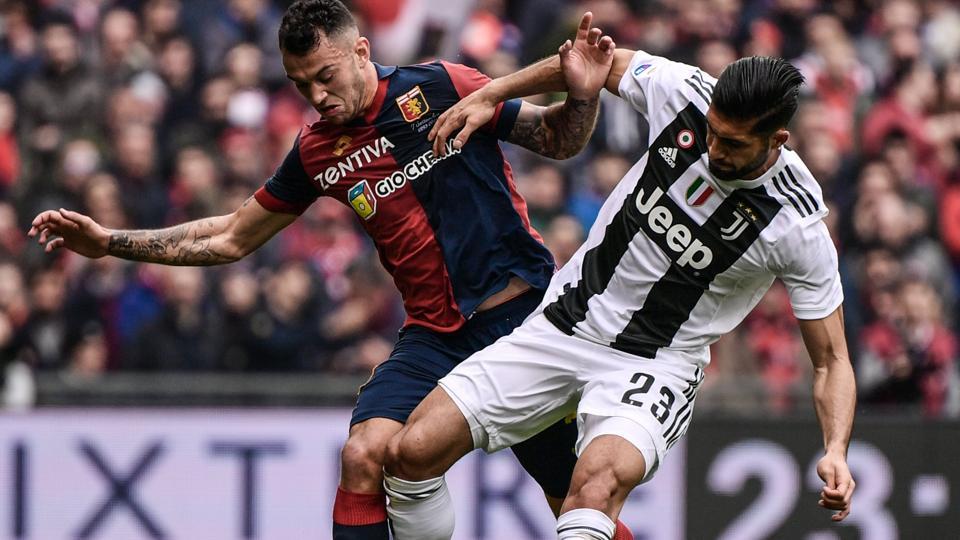
Playing a lone striker against a three-center-back defense often turns into ninety minutes of lonely physical frustration. With three specialist defenders protecting central space, the middle center-back can step tight onto the forward’s back while two wide center-backs remain free to sweep behind or intercept diagonal passes. To break that t
Why Defensive Line Depth Changes Home and Away Tactical Setups

Supporters often accuse managers of inconsistency when a side suffocates opponents at home with a towering defensive line yet sits noticeably deeper during difficult away fixtures. Far from timidity, adjusting defensive line depth by venue and opponent profile reflects calculated spatial management. Every five-yard shift in where the back four hold
Asymmetric Formations: Building Differently Down the Left and Right Flanks
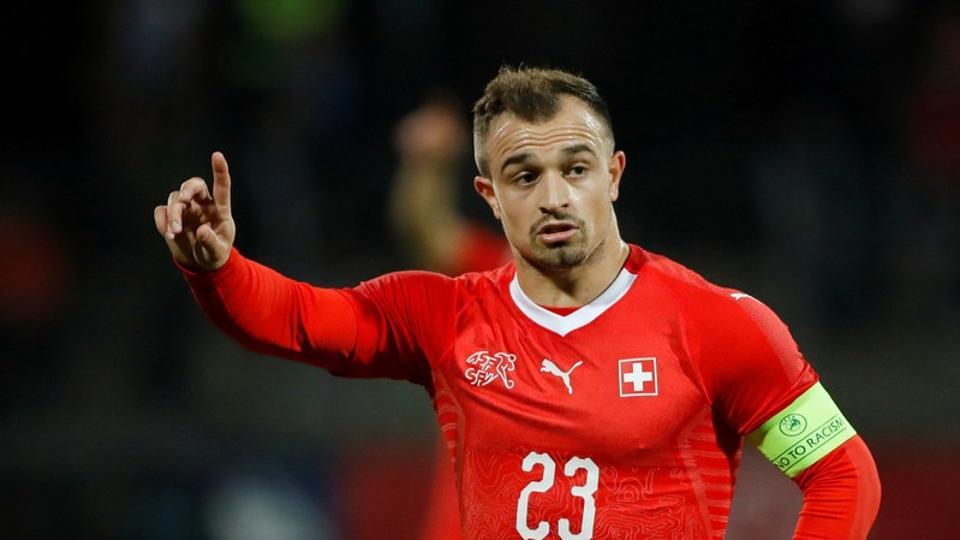
Static formation graphics shown before kickoff give a misleading impression of mirror symmetry. In reality, very few elite teams attack with identical structures on their left and right flanks. Because individual players bring wildly different profiles—a touchline dribbler on one wing, an inverted playmaker on the other, or an overlapping full-back
Pre-Season Tactical Periodization: Conditioning Players for High-Intensity Pressing

Gone are the pre-seasons built around endless lap running around stadium tracks before footballs ever left the equipment bag. Modern coaches implementing high-pressing game models rely on tactical periodization—a methodology that trains physical conditioning, cognitive decision speed, and collective pressing patterns inside the exact same ball dril
Modern Number 10 Roles: Why Classic Playmakers Shifted Into Half-Space Eighths
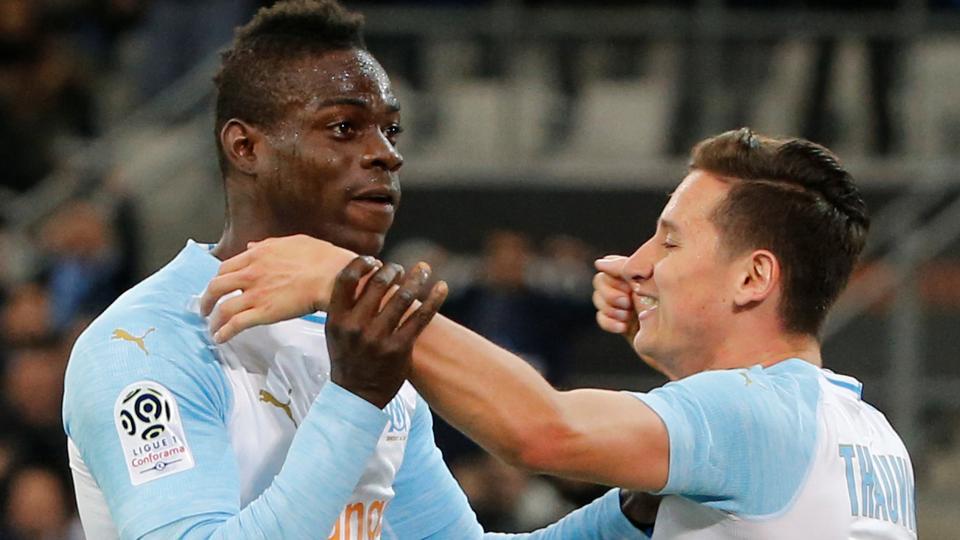
Not long ago, the classic number ten enjoyed total creative freedom, drifting lazily behind a lone striker while leaving defensive chores to two dedicated ball-winners behind them. Today, that traditional luxury role has largely disappeared from top-level football. Rising athletic intensity, compact defensive blocks, and aggressive central pressing
Why Direct Long Balls Behind High Lines Surge in Final Twenty Minutes
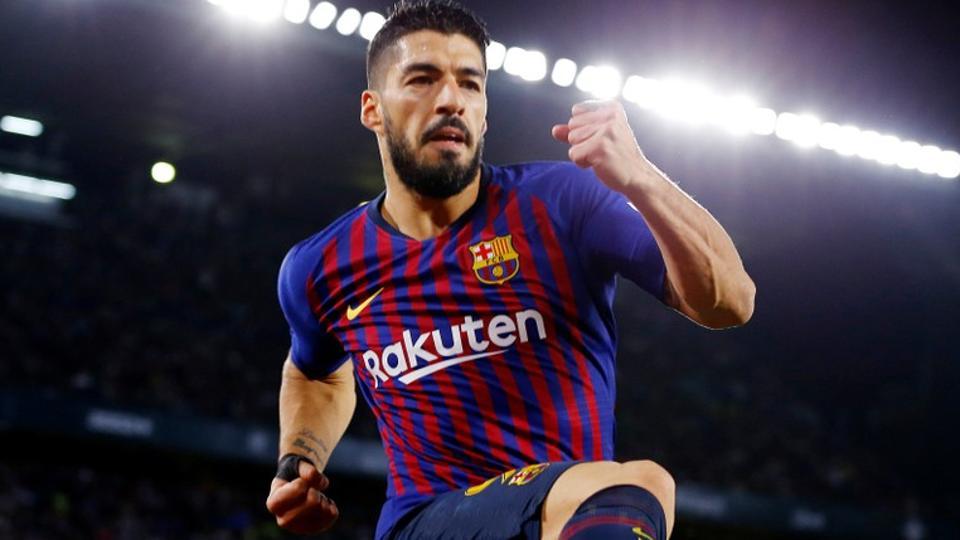
Even the most patient possession teams frequently abandon short build-up in the final twenty minutes, launching crisp diagonal or vertical balls over an opponent’s high defensive line. Far from simple desperation, that late-game shift reflects a calculated response to physiological fatigue, stretching spaces, and declining pressing coordinati



















