
Split Strikers vs. Single Center-Forwards Against Back-Three Defenses
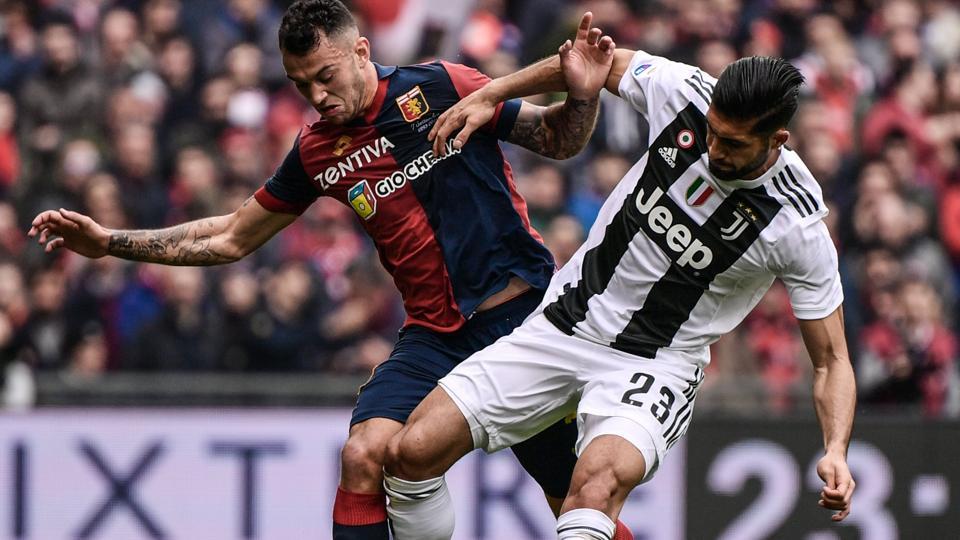
Playing a lone striker against a three-center-back defense often turns into ninety minutes of lonely physical frustration. With three specialist defenders protecting central space, the middle center-back can step tight onto the forward’s back while two wide center-backs remain free to sweep behind or intercept diagonal passes. To break that three-versus-one stranglehold, many coaches turn to split strikers—positioning two forwards wide across the channels between opposing defenders.
Stretching the Three-Center-Back Wall
Split strikers station themselves directly in the gaps separating the central center-back from the left and right center-backs. That subtle adjustment immediately alters defensive decision-making. Instead of having two spare defenders guarding depth, all three center-backs are pinned simultaneously—either forced to track wide runs into the channels or leave uncomfortable holes inside the penalty box.
If an opposing wing-back pushes high to press the attacking full-back, the wide center-back faces a brutal two-way stretch: cover the touchline channel behind the wing-back, or stay narrow to deny a central through ball to the split striker. One split-second of hesitation opens a direct diagonal lane straight toward goal.
Even when the ball circulates deep in midfield, wide center-backs cannot relax or step upward aggressively because two mobile forwards sit constantly on their outside shoulders ready to sprint into open grass behind them.
Advantages of Split-Striker Pairing
- Channel runs behind high wing-backs: Direct passes curving down the flanks exploit the broad grass vacated whenever back-three wing-backs push forward.
- Two-versus-two isolation potential: If one wide center-back steps out to cover the touchline, the remaining two strikers match up evenly against two defenders inside.
- Superior pressing coverage: Out of possession, two split forwards angle runs inward to block access to the opposing central defender, funneling build-up wide.
- Space opening for arriving midfielders: Dragging wide center-backs apart leaves a clean vertical highway right down the center for an advancing number ten or eight.
- Varied link-up combinations: One striker can drop toward the half-space to receive while the partner darts diagonally across the central defender’s blindside.
When a Single Focal Point Still Works
A lone center-forward can still thrive against a back three if supported closely by two aggressive inside forwards operating right in the half-spaces—effectively forming a narrow front three that mirrors the back three man-for-man. Additionally, a physically dominant single striker can occupy two defenders during aerial transitions while wingers attack the second-ball spaces either side, pinning the back line deep inside their own penalty area.
Whether using a two-striker split or a narrow front trident, the core tactical principle remains unchanged: never let three center-backs stay comfortable with spare defenders watching from behind. Constant vertical stretching forces communication errors inside even the best-drilled defensive threes during decisive second-half phases and late knockout ties.


















Leave a Reply