
Category Archives: MEDIAWATCH
How Refereeing Debates Often Overshadow Preventable Tactical Mistakes
Nothing dominates post-match football coverage quite like a contentious officiating call. A borderline handball check, a tight offside line, or an inconsistent second yellow card can consume television panels, press conferences, and online timelines for days. While officiating accountability genuinely matters, obsessive focus on refereeing controve
Why Comparisons Across Different Leagues Require Tactical Pace Adjustments
Every transfer window sparks straightforward statistical comparisons across borders. A winger posts fifteen assists in one European division, or a central defender wins eighty percent of aerial duels in another, prompting immediate predictions about how seamlessly they will translate to a new league. Yet raw numbers rarely travel cleanly across bor
The Evolution of Football Journalism From Match Reports to Tactical Storytelling
For decades, football journalism followed a predictable rhythm. Reporters sat in press boxes, dictated ninety-minute chronological summaries before the final whistle, and anchored Monday mornings around quotes from managers and goalscorers. Today, with live scores, video clips, and instant commentary available on every smartphone, traditional match
Why Clean Sheets Measure Collective Team Pressing as Much as Goalkeeping

End-of-season goalkeeper awards routinely revolve around clean-sheet leaderboards. On the surface, keeping the ball out of the net appears to be the purest measure of a goalkeeper’s reliability. Yet in reality, a clean sheet is one of the most team-dependent statistics in football, reflecting collective pressing, midfield shielding, and terri
Separating Long-Term Statistical Signals From Three-Game Finishing Streaks

Football commentary swings wildly over short stretches. A striker who scores five goals from eight shots across three consecutive weekends is suddenly hailed as transformed, while a forward hitting the woodwork twice and seeing two efforts tipped wide is labeled out of sorts. Yet statistical analysis across top divisions consistently shows that sho
How Broadcast Camera Angles Hide Off-Ball Pressing and Spatial Coverage
Most supporters experience football through the standard television broadcast camera, positioned high along the halfway line and constantly zooming toward the ball. While that framing maximizes clarity around tackles, dribbles, and penalty-box drama, it leaves vast sections of the pitch off-screen. As a result, fans watching on television routinely
Why Pre-Season Friendly Results Rarely Predict League Form
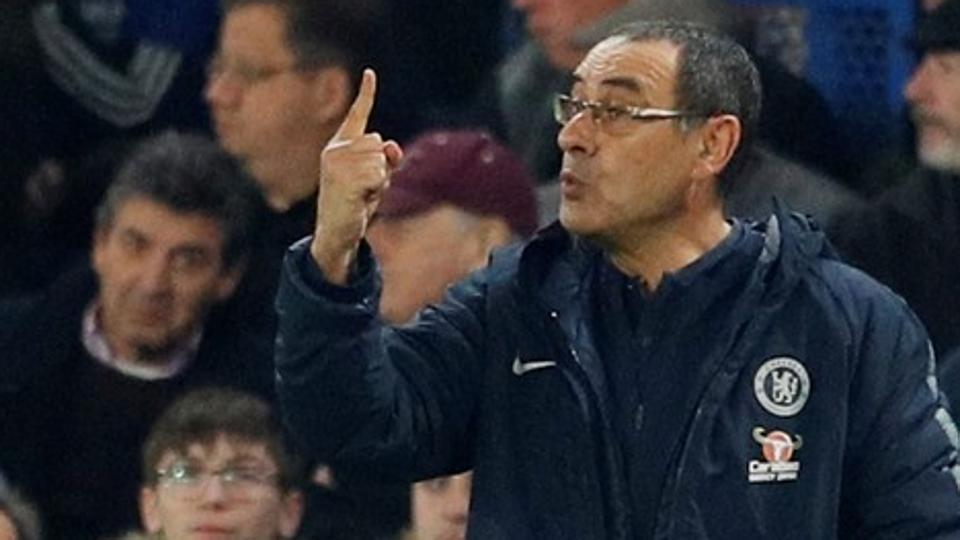
Every July and early August, pre-season friendlies spark waves of premature optimism and panic. A commanding victory on an overseas tour convinces supporters that a tactical revolution has arrived, while a sluggish defeat to lower-tier opposition triggers warnings of an impending relegation battle. Yet history repeatedly demonstrates that pre-seaso
Judging Strikers Beyond Goals: Pressing Work, Hold-Up Play, and Box Movement
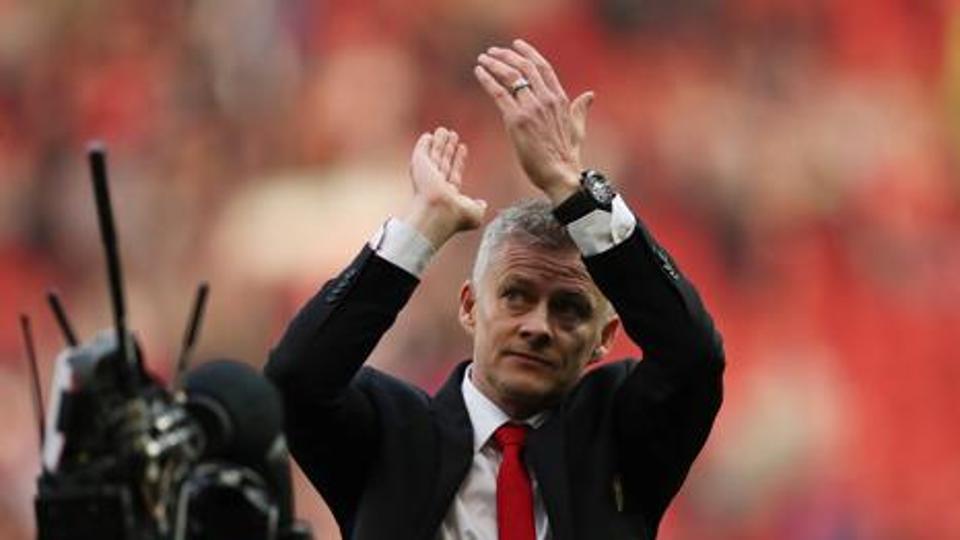
The center-forward remains football’s most straightforwardly judged position. When goals flow, a striker is hailed as clinical; during a five-match drought, questions immediately arise about confidence, movement, and value to the starting eleven. Yet modern elite football demands far more from a number nine than finishing chances, and some of
How Social Media Narratives Turn One Defensive Error Into an Unfair Label

Defenders and goalkeepers operate under an unforgiving spotlight. A striker can miss three presentable chances and redeem the evening with a decisive eighty-fifth-minute winner, while a center-back can play eighty-nine immaculate minutes and still become the focal point of online mockery because of one misjudged bounce or slipped clearance. In the
Shot-Count Fallacies: Why Dominating Shots Does Not Always Mean Dominating Quality
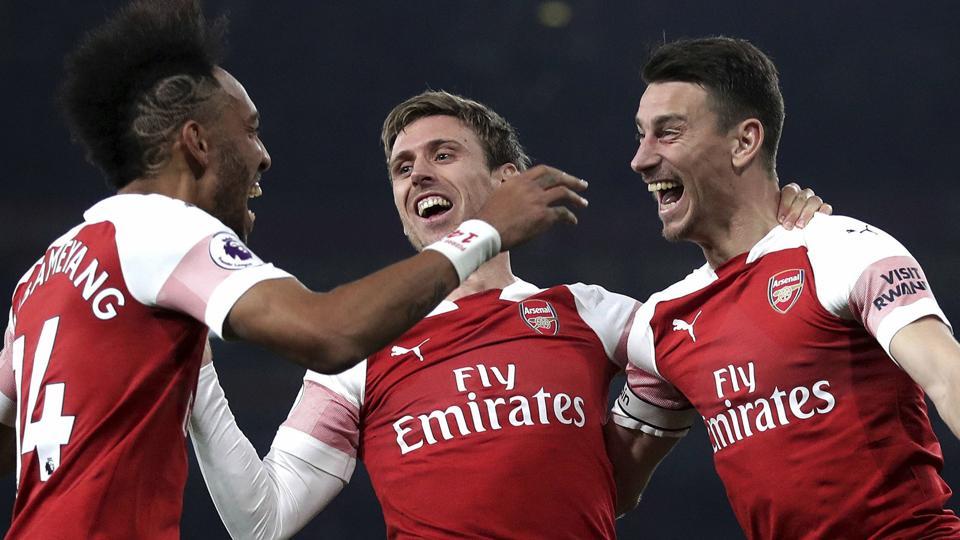
Few post-match talking points sound more persuasive than pointing out that one team registered twenty-two shots while the opponent managed only five. On the surface, a lopsided shot tally appears to prove relentless dominance and bad luck. Yet in modern tactical football, raw shot volume can be deeply misleading, masking sterile possession, low-per
Why Manager Sacking Cycles Often Mask Deeper Squad Construction Flaws
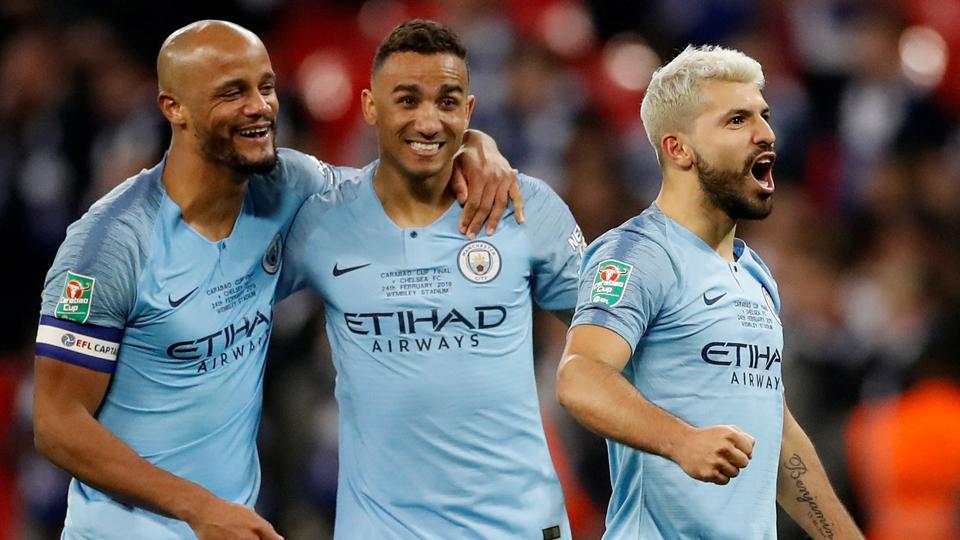
When results collapse in top-flight football, the head coach is almost always the first person held accountable. Changing the manager offers clubs a visible reset, temporarily calms restless supporters, and resets dressing-room hierarchy overnight. Yet across major European leagues, clubs that burn through three or four managers in as many years fr



















