
Category Archives: LIVE

Why Direct Long Balls Behind High Lines Surge in Final Twenty Minutes
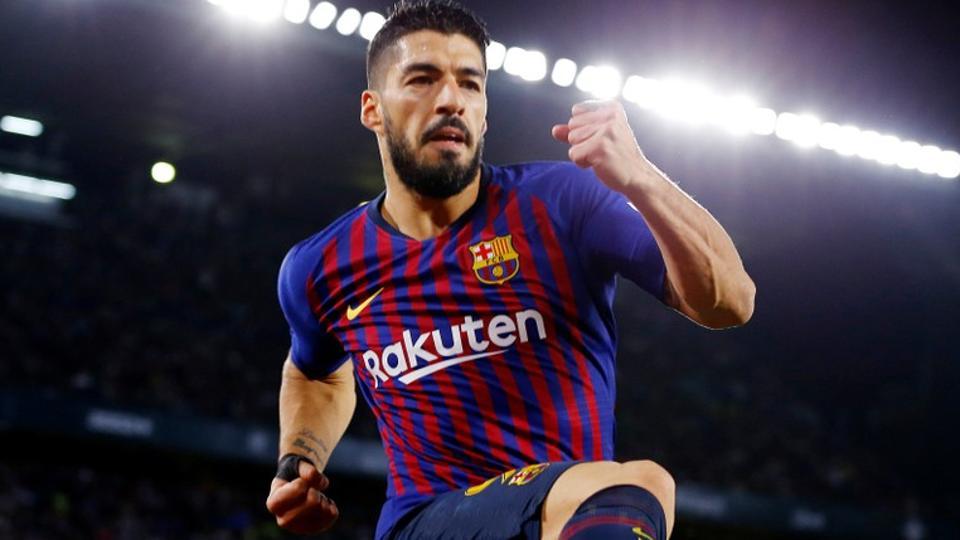
Even the most patient possession teams frequently abandon short build-up in the final twenty minutes, launching crisp diagonal or vertical balls over an opponent’s high defensive line. Far from simple desperation, that late-game shift reflects a calculated response to physiological fatigue, stretching spaces, and declining pressing coordinati

Weather, Pitch Conditions, and Surface Speed in Live Tactical Execution
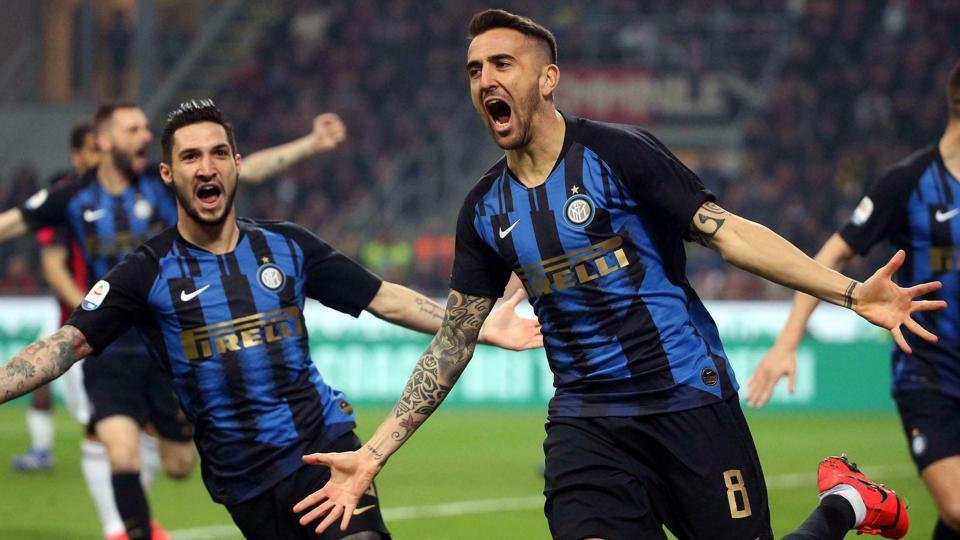
Tactical diagrams look clean on a dry whiteboard, yet football is played outdoors on living turf exposed to wind, rain, frost, and heavy wear. Surface speed and weather conditions directly govern how fast the ball travels, how reliably defenders plant their feet, and which tactical plans survive ninety minutes intact. Slick Wet Turf vs. Dry Sticky

Touchline Coaching Communication: Live Adjustments Between Technical Staff and Analysts

Watch a modern dugout closely and you will notice a constant flow of quiet messages traveling from the upper stands to the touchline. Behind every seemingly spontaneous tactical switch lies a coordinated communication loop connecting stadium-roof analysts, bench assistants, and the head coach—all working within seconds to solve structural problems

Playing Out From Goal Kicks Under High Man-to-Man Pressure
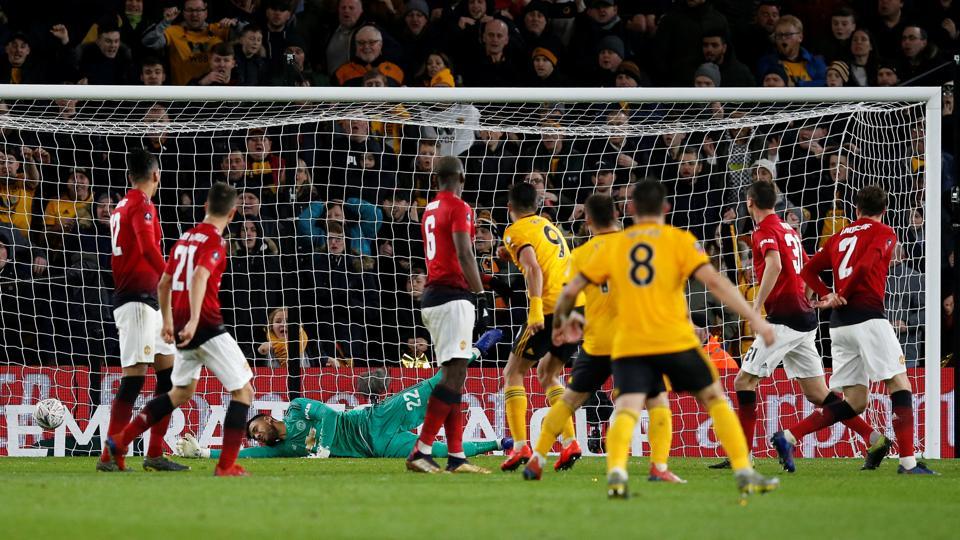
Since the law change allowing defenders to receive goal kicks inside their own penalty area, short restarts have become standard across top divisions. Yet in response, pressing teams have evolved aggressive man-to-man schemes that lock down every short option near the box, turning routine restarts into high-tension tactical puzzles that test compos

Why Early Yellow Cards Force Center-Backs and Pivots to Alter Tackling Angles
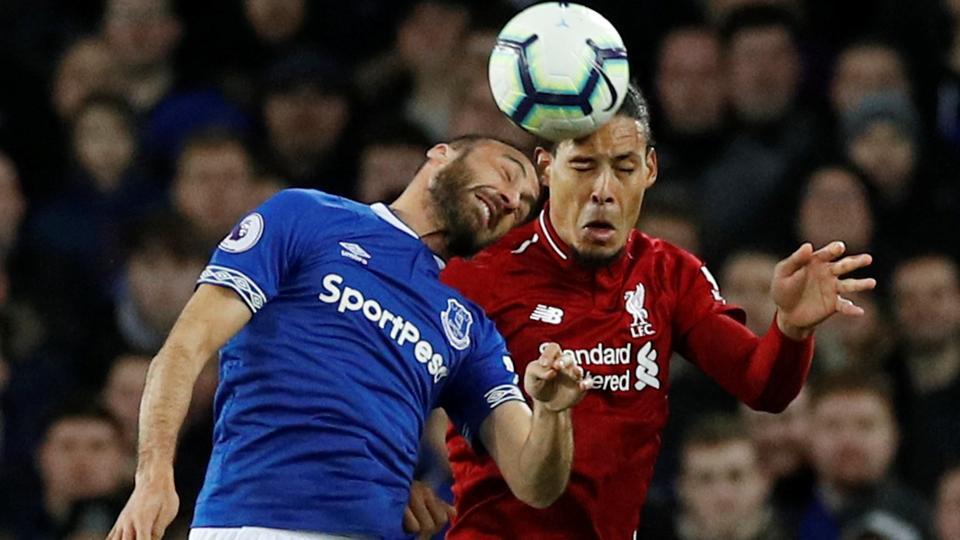
An early yellow card to a center-back or holding midfielder rarely appears on the scoreboard, yet it quietly rewrites the entire defensive geometry of a match. Once a key central defender plays under the threat of dismissal for seventy minutes, every recovery sprint, aerial challenge, and tackling angle shifts immediately to avoid a costly second c

Goalkeeper Time Management and Tempo Control Under Modern Refereeing Guidelines
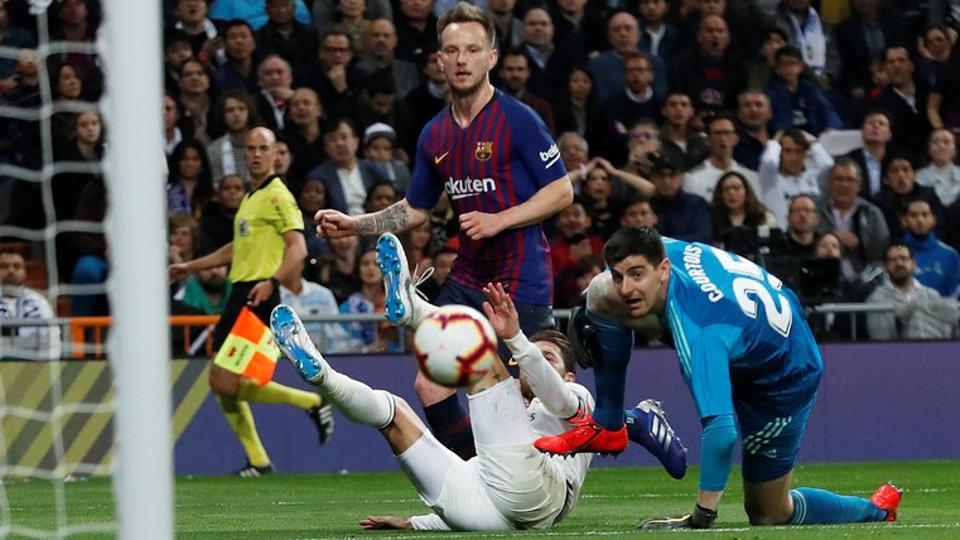
Goalkeepers once acted purely as shot-stoppers and long-kickers, yet modern tactical evolution and stricter refereeing guidelines have turned the number one into a team’s primary tempo controller. With officials penalizing blatant time-wasting far earlier and adding every delayed second back onto stoppage time, goalkeepers must now manage mat

Reading Full-Back Height to Spot Where a Team Intends to Attack
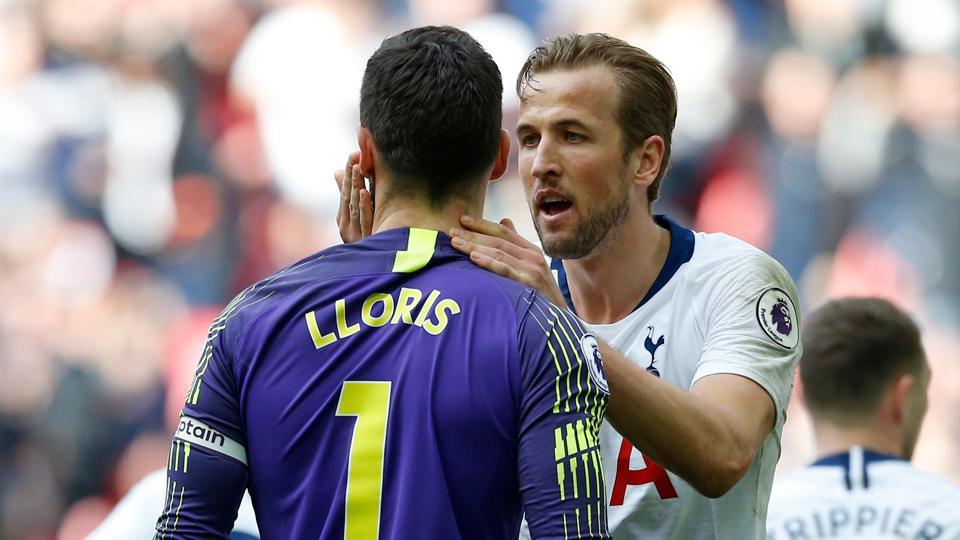
A team’s tactical blueprint rarely stays symmetrical for long once possession moves into the middle third. One of the clearest visual shortcuts in live football analysis is tracking the vertical height of both full-backs. Before a single through-ball is played, the contrasting positions of the left-back and right-back telegraph exactly which

Chasing an Equalizer: Balancing Extra Attackers Against Counter-Attack Exposure

When a team trails by a single goal with twenty minutes remaining, the natural urge is to throw every available forward onto the pitch. Yet piling five or six attackers onto the opponent’s defensive line without maintaining passing balance often backfires, clogging the penalty box while leaving wide-open grass behind midfield for a lethal sec

Momentum Swings Explained: Why Games Flip After Subtle Midfield Tweaks

Commentators frequently attribute sudden momentum swings to spirit, crowd noise, or shifting confidence. While emotion plays a real part in football, sharp tactical observers look underneath the surface. More often than not, a match flips on its head because one coach made a quiet, two-yard midfield tweak that solved a spatial puzzle and deprived t

How Red Cards Alter Compact 4-4-1 vs. 5-3-1 Defensive Geometry
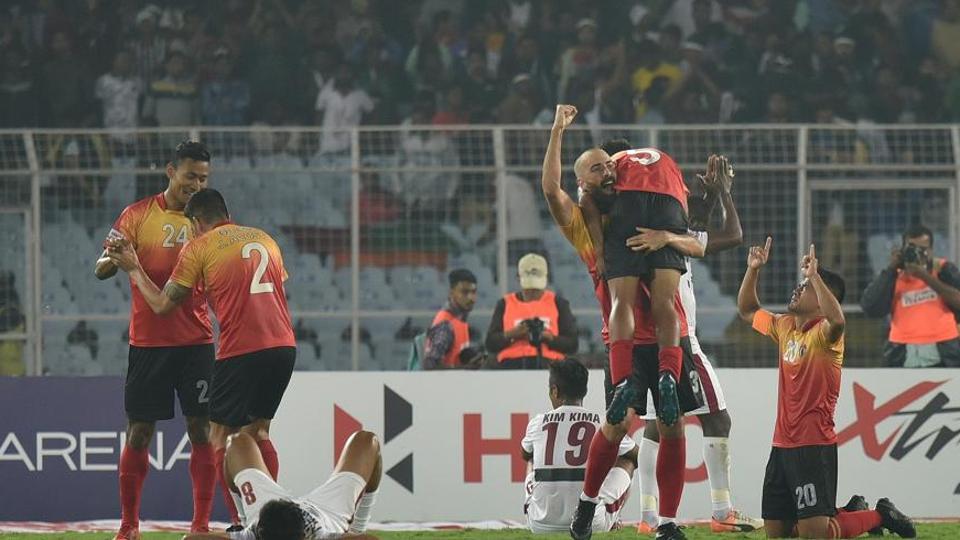
A red card instantly breaks the symmetry of a football pitch. Down to ten players, a team can no longer press across the full width of the grass and protect central zones simultaneously. Within seconds of a dismissal, managers must choose a ten-player defensive geometry—most commonly either a compact 4-4-1 or a reinforced 5-3-1—based on time remain

Why Extended Stoppage Time Changed Late-Game Fitness and Pace Management

Modern officiating directives aimed at reclaiming lost playing time—from lengthy VAR checks and goal celebrations to substitution delays—have routinely pushed matches past the ninety-eight- or hundred-minute mark. Adding eight to twelve extra minutes per game may sound minor on paper, yet across a demanding domestic and continental calendar it fund

















