
Beyond Goals and Assists: Why Narratives Around Midfielders Often Miss the Story
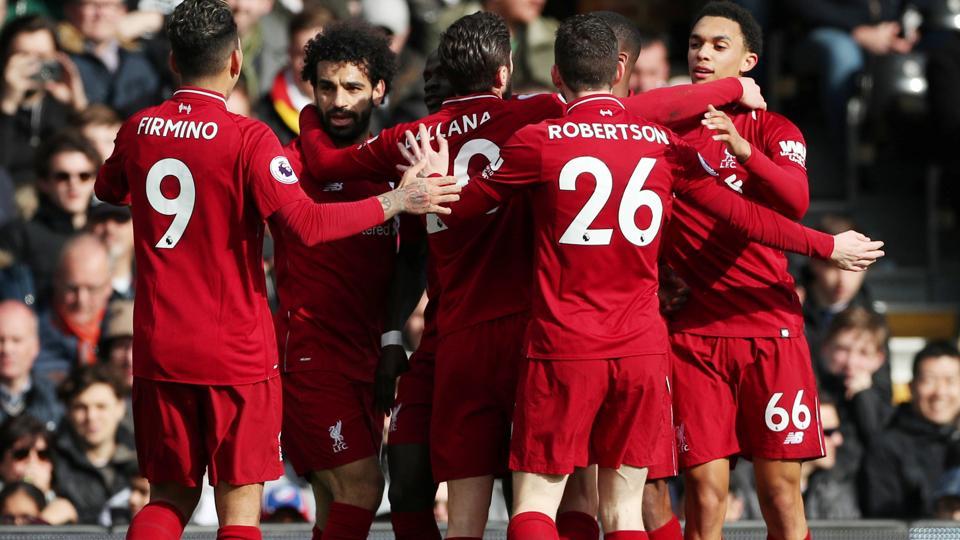
Public debate around midfielders frequently collapses into a narrow tally of goals and assists. While attacking output matters, treating box-score totals as the primary measure of midfield excellence distorts how central players actually shape football matches. A deep-lying playmaker or ball-winning shuttle midfielder can dictate tempo for ninety minutes without touching the ball inside the penalty area.
The Invisible Architecture of Build-Up Play
Much of a midfielder’s highest-value work happens two or three passes before a shot occurs. Receiving under pressure with the body angled toward the opposite flank, drawing an opponent out of a compact block, and releasing a teammate into space creates the numerical superiority that later produces an assist. Yet conventional stat sheets credit only the final pass and the finish.
Equally overlooked is off-ball positioning during possession. By standing just behind an opposing forward’s shoulder, an intelligent central midfielder pins two defenders in place and opens passing lanes for center-backs to break lines directly into the attacking midfield pockets. That silent gravitational pull never registers as a touch, let alone an assist.
Measuring Midfield Impact Properly
To evaluate central midfielders fairly, analysts look beyond surface attacking returns toward metrics and visual cues that capture control and progression:
- Press resistance and ball retention: How reliably a player receives passes facing their own goal and escapes pressure without conceding possession in dangerous central zones.
- Progressive passes and line-breaking carries: Actions that advance the ball significantly toward the opponent’s goal or bypass at least one defensive line.
- Counter-pressing recoveries: Immediate ball wins or tactical delays within five seconds of a turnover, which stop counterattacks before they reach the back four.
- Passing tempo modulation: Knowing when to accelerate vertically into transition and when to circulate laterally to calm an erratic game state.
Why Box-Score Narratives Persist
Goals and assists remain popular because they are simple, decisive, and easy to compare across eras and divisions. Award ballots, transfer valuations, and television graphics naturally gravitate toward numbers that fit neatly beneath a player’s headshot. When a holding midfielder wins fewer plaudits than a free-roaming number ten, the gap often reflects measurement convenience rather than actual contribution to winning.
Even tactical roles inside the same club complicate direct comparison. A midfielder instructed to hold central rest-defense positions while fullbacks push high up the touchline sacrifices penalty-box arrivals precisely so teammates can attack with security. Punishing that player for modest scoring numbers misunderstands the tactical bargain.
Reading the Center of the Pitch
Watching midfielders effectively requires shifting attention from the ball’s destination to the structure surrounding it. When a team suddenly controls territory, resists aggressive pressing, and sustains waves of pressure, the reason usually lies in midfielders making thousands of quiet geometric decisions that never appear on a highlight reel.


















Leave a Reply