
Highlight Culture vs. 90-Minute Context: How Short Clips Distort Tactical Debates
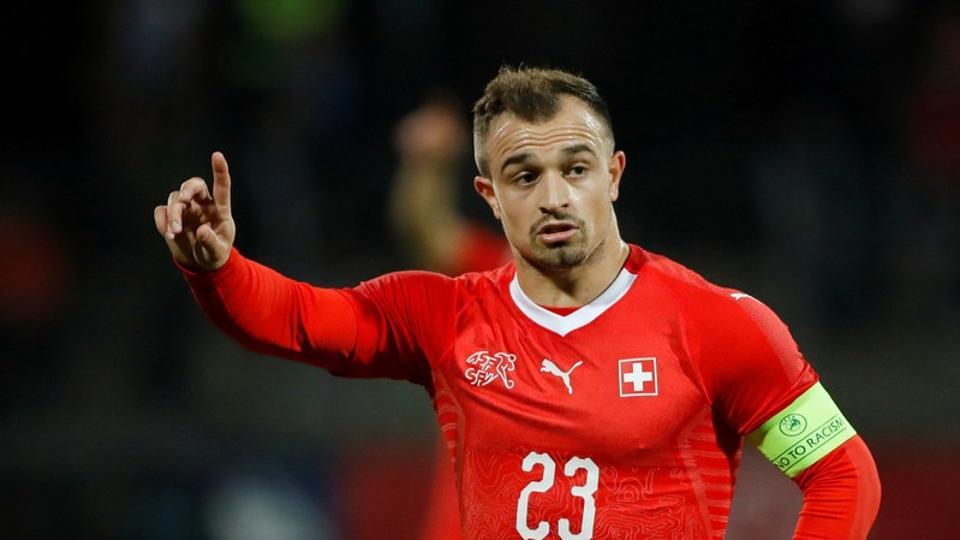
Short-form video has transformed how football is consumed across the globe. Within seconds of a match ending—and sometimes before it finishes—ten-second clips of skill moves, tactical errors, or touchline reactions circulate to millions of viewers. While highlight culture makes the sport more accessible across time zones, it systematically strips away the ninety-minute context required to understand why teams succeed or fail.
The Illusion of Isolated Brilliance and Blame
A three-second clip showing a striker missing from six yards or a defender miscontrolling a routine pass invites instant judgment. What the clip omits is the preceding sixty minutes: legs heavy from relentless pressing, a midfield failing to offer short passing angles, or tactical adjustments from the opposition bench that repeatedly isolated the same fullback in two-on-one situations.
Similarly, viral scouting compilations of transfer targets showcase only peak moments—nutmegs, diagonal switches, and long-range strikes. Without seeing how the player handles mundane phases such as tracking runners in the seventy-fifth minute or recycling possession safely against a low block, viewers build an inflated expectation of weekly output.
What Vanishes in Two-Minute Packages
Broadcast highlight packages and social clips compress a complex strategic contest into a sequence of penalty-box incidents. Crucial layers of the sport disappear in the edit:
- Momentum shifts and game management: How a side deliberately slows restarts and keeps the ball in wide triangles for ten minutes to kill an opponent’s surge.
- Cumulative fatigue: The way repeated runs behind a high line in the first half create the extra half-yard of space that decides the match after minute seventy.
- Tactical adaptations: Subtle mid-half switches—such as inverting a fullback or dropping a winger deeper—that neutralize an opponent’s primary threat before it produces another shot.
- Territorial suffocation: Sustained possession spells that pin an opponent thirty yards from goal, starving their forwards of counterattacking fuel.
How Algorithmic Feeds Shape Football Discourse
Social platforms reward emotional certainty, outrage, and dramatic extremes. Nuanced tactical analysis explaining why a cautious draw represented a disciplined tactical step forward struggles to compete with a clipped mistake paired with a bold caption. Over time, clubs, coaches, and players are judged through a distorted lens optimized for virality rather than accuracy.
This dynamic even pressures punditry, pushing broadcast segments toward punchy verdicts built around two replayed incidents rather than coherent examinations of shape, spacing, and game state.
Reclaiming the Full Match Lens
Nobody has time to watch every fixture across Europe in full, and highlights remain an indispensable way to follow global leagues across busy schedules. Still, tactical literacy depends on remembering that short clips show what happened at the climax of an attack rather than why the match unfolded that way. Even checking possession maps, average defensive line heights, or extended five-minute sequences around a goal restores vital context. Treating viral clips as isolated fragments rather than complete verdicts keeps tactical discussion grounded in the full ninety-minute contest.


















Leave a Reply