
Penalty Shootout Analytics: Preparation, Order Psychology, and Goalkeeper Cues
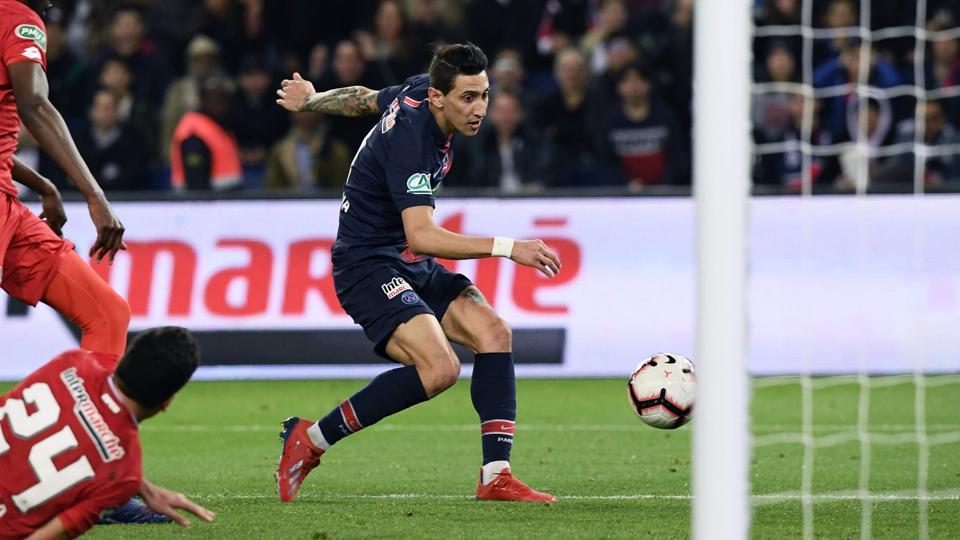
In knockout international football, roughly one in every four or five elimination ties is settled from twelve yards. Far from being a pure lottery, penalty shootouts exhibit consistent statistical patterns shaped by shooter mechanics, psychological pressure, kicking order, and pre-tournament data preparation. National teams that treat shootouts as an analytical discipline rather than an improvisational afterthought consistently outperform expectations when matches end level after 120 minutes.
First-Kick Advantage and Kicking Order
Large historical datasets across World Cups, European Championships, and Copa America consistently show a modest advantage—typically around 55 to 60 percent—for the team shooting first, though the exact margin fluctuates across tournament samples. Kicking first places continuous scoreboard pressure on the second team, whose takers repeatedly step up knowing a miss leaves them trailing immediately. Even winning the coin toss carries tactical nuance: coaches increasingly instruct captains to elect to kick first rather than defer, and to choose the end housing their own supporters when possible.
Managing the five-taker sequence also requires matching personality and execution stability to rising leverage:
- The opener: A calm, high-conversion specialist sets emotional stability and avoids an early psychological hole for teammates waiting on the halfway line.
- The middle sequence: Reliable ball-strikers in spots two and three sustain momentum and prevent the team from falling behind before the decisive kicks arrive.
- The fourth and fifth spots: Contrary to old habits of saving the star striker strictly for kick five—where they may never even get to shoot if the shootout ends early—data-savvy staffs place top converters in spots one, four, and five, prioritizing survival to reach kick five.
Shooter Mechanics and Keeper-Dependent vs. Keeper-Independent Styles
Penalty analysts categorize takers into two primary profiles. Keeper-independent shooters select a target corner beforehand and strike with pace and precision regardless of goalkeeper movement, trusting that an accurate top- or side-netting strike beats any dive. Keeper-dependent shooters slow their run-up, read the goalkeeper’s early weight shift, and roll the ball into the vacated side. Under severe tournament fatigue and nerve strain, keeper-independent routines executed at speed tend to hold up better when goalkeepers stay upright until ball contact rather than diving early.
Data-Driven Goalkeeper Cueing
Modern goalkeeper coaches compile detailed video and shot-map dossiers on every potential opponent taker, mapping preferred corners under pressure, run-up angles, and hip-rotation cues. Rather than overloading the keeper with noisy statistics, teams condense tendencies onto discreet water-bottle notes or pre-shootout briefings focused on two triggers: whether the shooter glances before striking and how open their plant foot sits at impact.
Psychological preparation extends to the center circle as well. Practicing the long, solitary walk from midfield to the penalty spot under simulated fatigue helps takers regulate heart rate and breathing before placing the ball. Combined with subtle pacing control—taking ownership of the penalty area without crossing into cautionable misconduct—structured preparation turns twelve-yard chaos into a measurable competitive edge.


















Leave a Reply