
Extra Time and Five Substitutions: How Bench Depth Wins 120-Minute Ties
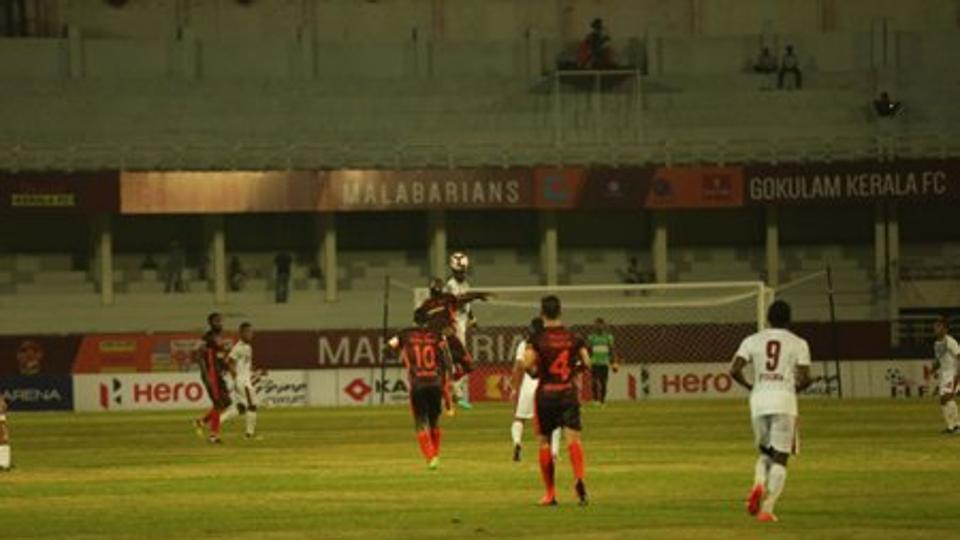
Few moments in international football test coaching nerve and physical preparation like the 90th-minute whistle of a tied knockout match. Thirty minutes of extra time immediately transform the contest from a structured tactical duel into an endurance-and-bench battle. Since the permanent adoption of five substitutions in regulation—plus a sixth allowance during extra time—the strategic calculus of 120-minute knockout ties has changed dramatically.
From Attrition Survival to Active Bench Architecture
Under the old three-substitution rule, extra time routinely turned into cramp-ridden stalemate football as exhausted players tried desperately to nurse matches toward a penalty shootout. With up to six fresh outfield players available across 120 minutes, coaches can replace more than half of their starting ten outfielders. That flexibility turns the bench into an active second wave rather than an emergency break-glass option.
Smart tournament managers now map out match plans in distinct phases before kickoff:
- Minutes 0–60: Establishing defensive stability and wearing down opposing central midfielders and full-backs through disciplined pressing or patient ball circulation.
- Minutes 60–90: Injecting fresh legs on the flanks and in midfield to attack localized fatigue without sacrificing compact shape or defensive transitions.
- Minutes 90–120: Deploying specialized extra-time finishers—explosive ball carriers, aerial targets, and calm penalty takers—when opposing defensive spacing inevitably stretches across tired back lines.
The Dual Role of Extra-Time Substitutions
Every late substitution in a tense knockout match serves two simultaneous masters: winning the match in open play during extra time while quietly assembling the optimal five-player penalty lineup if scores remain deadlocked. Coaches must resist the temptation to pull proven spot-kick specialists purely for fresh legs in minute 105 unless a replacement carries equal twelve-yard composure. Conversely, leaving an exhausted, cramping striker on the pitch simply for a hypothetical shootout compromises both pressing integrity and late scoring chances.
Managing Substitution Windows Without Traps
Because teams receive only three in-play substitution windows during normal time (plus halftime and an extra window in extra time), burning windows prematurely exposes a side to disaster if a goalkeeper or defender pulls a hamstring in minute 100. Experienced coaches cluster changes into planned double or triple swaps around minutes 65 and 80, keeping one window in reserve for late crises or tactical shape shifts.
Physical telemetry and GPS tracking from the bench further sharpen those calls. Performance staff monitor live high-speed sprint drops and deceleration fatigue on full-backs and central midfielders so coaches replace vulnerable starters just before defensive spacing cracks open. Preparing set-piece roles for every incoming substitute also ensures defensive marking assignments stay intact during chaotic extra-time corners and late wide free kicks. When mental fatigue spikes after 105 minutes, fresh substitutes also elevate communication discipline along the back line. In modern knockout football, victories after 90 minutes increasingly belong to the coach who treats starters and finishers as a unified 16-player matchday unit.


















Leave a Reply