
Why Early Yellow Cards Force Center-Backs and Pivots to Alter Tackling Angles
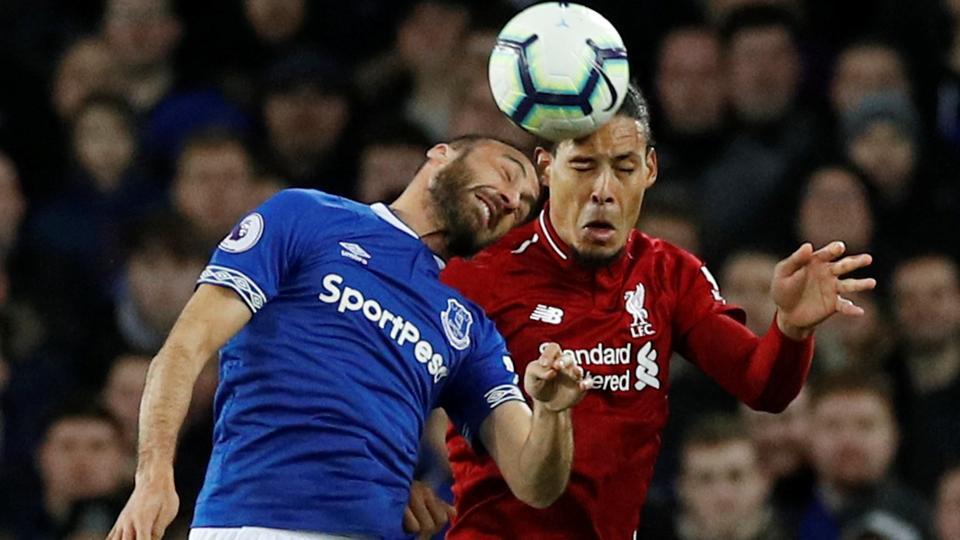
An early yellow card to a center-back or holding midfielder rarely appears on the scoreboard, yet it quietly rewrites the entire defensive geometry of a match. Once a key central defender plays under the threat of dismissal for seventy minutes, every recovery sprint, aerial challenge, and tackling angle shifts immediately to avoid a costly second caution.
How a Caution Shrinks Defensive Aggression
Defending at top speed relies on split-second front-foot commitments—stepping in front of a striker to intercept a firm pass or sliding across the turf to block a counter-attack. A cautioned pivot or center-back loses that margin for error. If he arrives half a stride late, a second booking leaves his side playing shorthanded for most of the contest.
To manage that risk, cautioned players naturally shift from proactive ball-winning to cautious containment, dropping two yards deeper and refusing high-risk challenges in open space. While sensible individually, that subtle retreat immediately creates extra pockets between the lines for creative opponents.
Tactical Adjustments Coaches Make Around a Booked Defender
Sharp managers recognize immediately when an opponent tries to isolate a booked player, and they respond with structural protection:
- Switching pressing assignments: A booked central midfielder moves slightly deeper as a positional screener while his uncautioned partner takes over aggressive forward ball-hunting duties.
- Altering tackling angles into containment: Instead of lunging across a dribbler’s body, the cautioned center-back angles his hips sideways to shepherd the attacker away from goal toward help on the touchline.
- Providing double cover in half-spaces: A nearby full-back or winger tucks tighter to prevent one-versus-one isolation against speedy opposing forwards.
- Planning proactive sixty-minute substitutions: In high-tempo matches, coaches frequently withdraw a booked holding midfielder around the hour mark before fatigue causes a mistimed lunge.
Why Tackling Angles Matter More Than Speed
When an uncautioned defender challenges a winger cutting inside, he can square up aggressively and poke through the ball. A booked defender must instead delay, keep an arm’s length of cushion, and steer the dribbler onto his weaker foot where a recovering teammate can double-team cleanly without risking a reckless trip.
How Attacking Teams Exploit the Caution
Attacking coaches immediately instruct direct dribblers and agile number tens to run straight at the booked defender, forcing him to backpedal into his own box or commit a desperate foul. Often, an attacking winger will deliberately receive to feet near the touchline and cut sharply inside across the cautioned pivot’s weaker side, hoping a tired trailing leg catches an ankle in transition.
Watching how a defending team shields its cautioned spine—shifting midfield cover, softening tackling angles, compressing space behind full-backs, and rotating marking responsibilities—offers one of the sharpest live reads in modern match analysis, revealing tactical discipline long before any second card is shown.


















Leave a Reply