
Playing Out From Goal Kicks Under High Man-to-Man Pressure
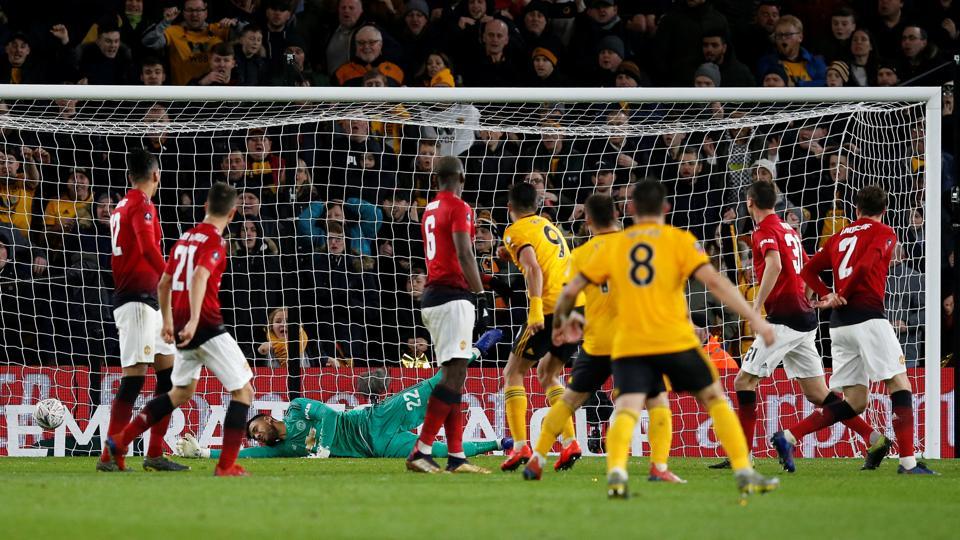
Since the law change allowing defenders to receive goal kicks inside their own penalty area, short restarts have become standard across top divisions. Yet in response, pressing teams have evolved aggressive man-to-man schemes that lock down every short option near the box, turning routine restarts into high-tension tactical puzzles that test composure and movement.
Why Man-to-Man Pressing Creates Pure One-Versus-One Duels
Against traditional zonal pressing, a build-up team creates a numerical edge simply by dropping a midfielder or splitting center-backs wide. Under strict man-to-man pressure, however, opposing markers follow every movement step for step—wingers track full-backs, central midfielders shadow pivots, and strikers press center-backs directly inside the box. Only one player remains completely unmarked: the goalkeeper.
Breaking that lock requires either using the keeper as an active eleventh outfield passer or manipulating markers with synchronized runs to manufacture sudden separation.
Four Proven Solutions Against Goal-Kick Locks
Coaches rely on rehearsed movements to turn high man-to-man pressure into a massive attacking advantage once the first line is beaten:
- The goalkeeper step-up overload: By dribbling past the six-yard line, the keeper forces an opposing forward to leave his center-back and press the ball, instantly freeing one defender for a crisp vertical pass.
- Opposite-movement decoy sprints: A pivot sprints sharply toward the touchline to drag his marker away, vacating central space for a dropping winger or number ten to receive cleanly.
- Third-man bounce combinations: Rather than passing directly to a closely marked midfielder, the keeper clips a firm ball into a target forward whose one-touch layoff meets an onrushing runner facing forward.
- Clipped balls over the high line: Because man-to-man pressing pulls defenders forty yards upfield, a single accurate mid-range chip into space behind the full-backs creates immediate footraces in open grass.
Body Shape and First-Touch Courage Inside the Box
Short restarts also demand exceptional composure from center-backs and deep pivots. Receiving facing your own goal invites blind-side tackles; instead, players open their hips sideways before the kick is struck so they can see both the oncoming press and the escape pass down the line or back to the keeper.
Risk Reward When the First Line Breaks
The beauty of beating a man-to-man goal-kick press is that no protective screen remains behind the midfield line. Once a team connects two sharp passes past the initial surge, three attackers suddenly sprint against a back line running backward toward its own goal. Even a brief hesitation from an opposing full-back creates an instant four-versus-three wave into the final third.
That spatial payoff explains why modern coaches persevere with brave short restarts despite occasional high-profile mishaps: surviving the first four seconds unlocks the entire pitch and turns opponent aggression into your cleanest attacking platform. Even when a press forces a hurried long pass once or twice, the threat of playing through keeps opposing defenders cautious and stretches vertical compactness.


















Leave a Reply