
Why Direct Long Balls Behind High Lines Surge in Final Twenty Minutes
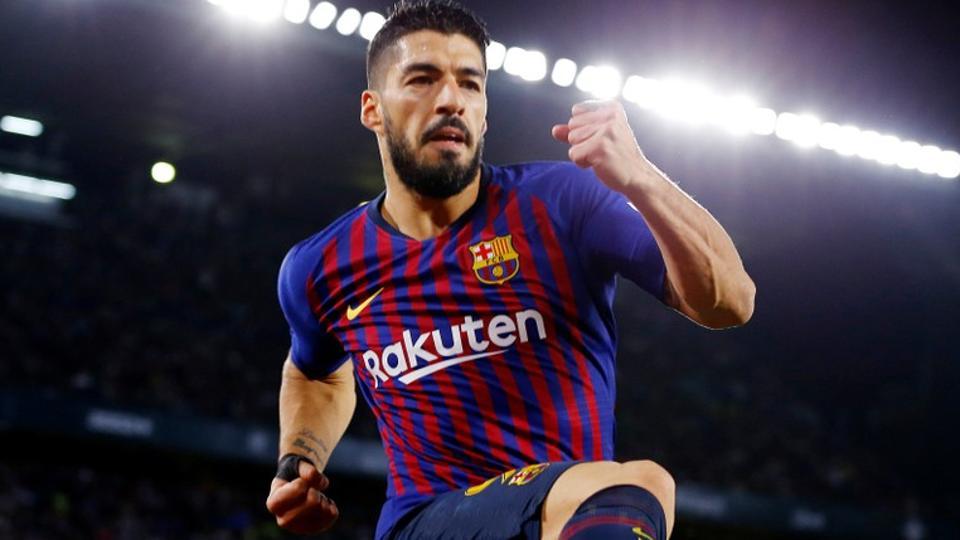
Even the most patient possession teams frequently abandon short build-up in the final twenty minutes, launching crisp diagonal or vertical balls over an opponent’s high defensive line. Far from simple desperation, that late-game shift reflects a calculated response to physiological fatigue, stretching spaces, and declining pressing coordination.
How Fatigue Breaks the High-Line Synchronization
Defending with a high line near the halfway mark only works when two conditions hold simultaneously: the forward line actively pressures the ball carrier, and all four defenders drop or step up in tight unison. By minute seventy, both pillars weaken. Tired forwards arrive a step slower to close down deep midfielders or center-backs, giving passers unobstructed time to lift their heads and measure long trajectories.
At the same moment, tired defenders lose crisp timing on their drop-step, leaving one full-back two yards deeper than his center-back and playing fast attackers onside just as they sprint off the shoulder.
Why Long Balls Create High-Value Late-Game Situations
Playing direct behind a weary high line generates multiple tactical rewards at low cost:
- Exploiting fresh bench pace: Introducing a rapid substitute winger or striker against center-backs with seventy minutes in their legs turns simple channel balls into dangerous footraces.
- Bypassing congested central blocks: Rather than forcing risky passes through ten defenders, one accurate aerial ball moves the contest instantly into the final third.
- Winning high territory on second balls: Even if a center-back heads the long pass away, sprinting midfielders win knockdowns thirty yards from goal while the defending unit retreats hurriedly.
- Minimizing dangerous turnovers: Losing a long pass near the opponent’s corner flag poses far less transition danger than losing a short pass outside your own penalty area.
Diagonal Balls vs. Straight Vertical Chips
Analysts distinguish carefully between straight passes down the middle—which often run through to the sweeping goalkeeper—and angled diagonal balls aimed behind the far full-back. Diagonal trajectories travel across the defender’s blind shoulder, forcing him to turn awkwardly while watching both the flight of the ball and an accelerating winger.
The Visual Cue Before the Ball Is Struck
Watch the ball carrier’s eyes around minute seventy-five. Whenever an unpressured center-back or deep playmaker takes an extra touch forward while two forwards peel onto the shoulders of the last defenders, a direct ball over the top is imminent. At the same moment, central midfielders often check away briefly to pull an opposing pivot toward the ball, clearing the trajectory lane behind him.
In the closing quarter-hour, when legs tighten and defensive lines lose crisp coordination, direct precision often proves far smarter and deadlier than endless lateral patience around a congested block. Mixing patient wide circulation with sudden measured balls behind tiring center-backs keeps defenders retreating awkwardly toward their own six-yard box until the final whistle.


















Leave a Reply