
Modern Number 10 Roles: Why Classic Playmakers Shifted Into Half-Space Eighths
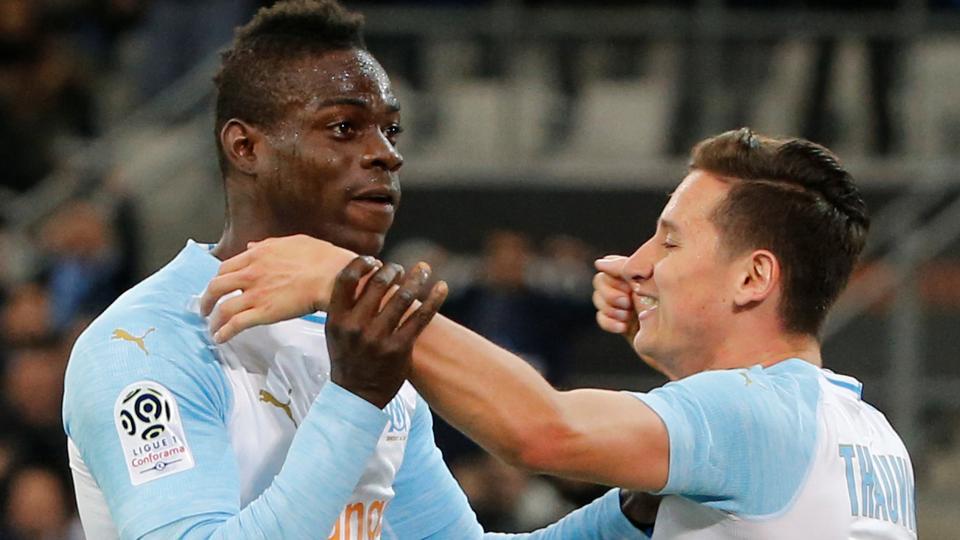
Not long ago, the classic number ten enjoyed total creative freedom, drifting lazily behind a lone striker while leaving defensive chores to two dedicated ball-winners behind them. Today, that traditional luxury role has largely disappeared from top-level football. Rising athletic intensity, compact defensive blocks, and aggressive central pressing left stationary playmakers starved of space—forcing elite creators to reinvent themselves as dynamic half-space number eights.
Why the Classic Central Pocket Closed
As teams adopted tighter 4-4-2 and 4-2-3-1 mid-blocks, the central zone directly ahead of the center-backs became the most heavily congested area on the pitch. A single holding midfielder could easily shadow a traditional number ten without breaking formation, while modern center-backs grew comfortable stepping up aggressively into midfield to crunch playmakers on the half-turn.
Simultaneously, modern pressing demands meant no team could carry an attacker who walked out of possession. With ten outfielders expected to press cohesively and recover quickly into defensive shapes, coaches needed creative hubs who could both thread final-third passes and cover twelve kilometers per match.
Stationing two creative players slightly wider in the half-spaces solved this congestion at a stroke, splitting the attention of opposing pivots while creating clean diagonal angles around the central defensive spine. Instead of one playmaker trapped in traffic, teams suddenly deployed twin creators attacking opposite shoulders of the opposition pivot.
What Defines the Half-Space Eighth
- Starting slightly deeper and wider: Operating in the half-space channels between opposing full-backs and center-backs provides cleaner sightlines and extra half-yards of breathing room.
- Two-phase ball progression: Modern eighths drop deep beside the pivot to help break a high press before surging forward late into the penalty area to finish chances.
- Relentless pressing intensity: Out of possession, they form part of the front pressing screen or tuck into a compact four-man midfield line alongside the wingers.
- Fluid wide rotations: By overlapping or underlapping touchline wingers, half-space eighths create sudden two-versus-one combinations right near the corner of the box.
- Blindside penalty-box runs: Timing late arrivals behind distracted center-backs turns traditional playmakers into reliable twelve-goal-a-season threats.
Creativity Within Tactical Discipline
Moving creative masters into half-space eight roles has not killed flair; instead, it has multiplied where flair appears. Players who once waited passively near the penalty arc now dictate tempo across all three thirds, arriving dynamically onto cut-backs or sliding diagonal passes behind stretched back lines. Even against stubborn low blocks, two half-space creators stretching defenders laterally generate far cleaner passing windows than a single central figure ever could.
Young academy playmakers are now coached from early stages to defend compactly, scan continuously, and strike from deeper channels without sacrificing defensive balance. The modern playmaker is no longer exempt from structure—they are the tactical engine running straight through its heart.


















Leave a Reply