
Category Archives: CLUBS
Multi-Club Ownership Models: Talent Pathways, Synergies, and Governance Debates
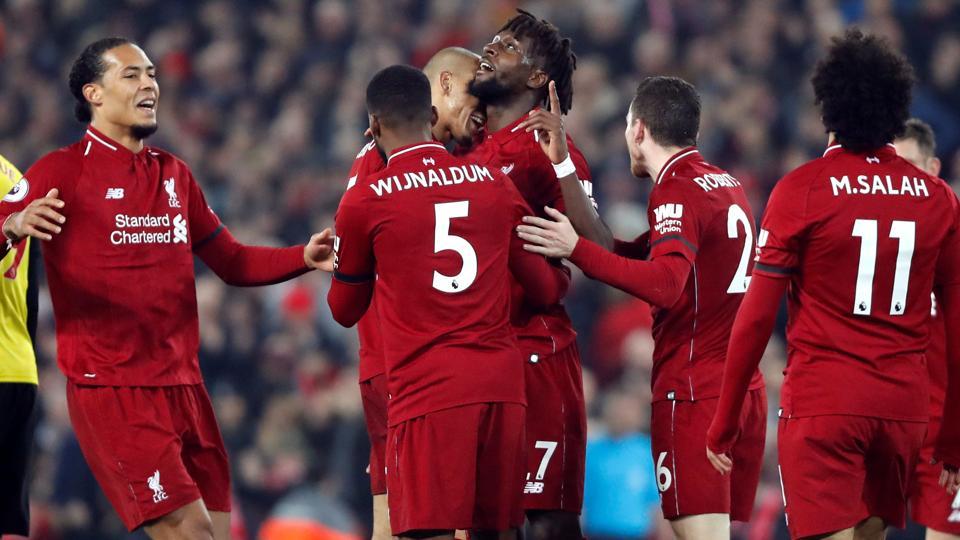
Multi-club ownership networks have grown from a rare experiment into one of the defining structural forces in modern football. Investment groups now control portfolios spanning flagship European contenders, developmental feeder clubs in mid-tier leagues, and recruitment hubs across South America and West Africa. Proponents frame these networks as r
Hybrid Set-Piece Defending: Combining Zonal Anchors With Man-Marking Trackers
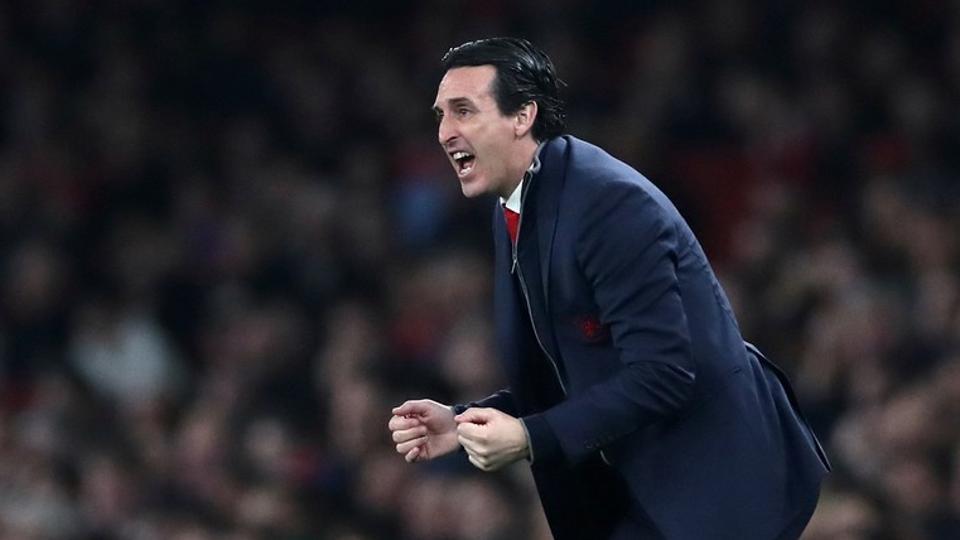
For years, football pundits framed corner-kick defending as an ideological clash between pure man-marking and strict zonal defending. In practice, almost every elite club today operates a hybrid model that blends the strengths of both approaches. Pure man-marking collapses when attacking teams run intricate pick plays to free aerial monsters, while
In-Swinging Corners and Six-Yard Congestion: Inside Modern Dead-Ball Design

Watch corner kicks across Europe’s top divisions today and one tactical shift stands out immediately: the overwhelming dominance of in-swinging deliveries aimed directly into a crowded six-yard corridor. Where previous eras favored out-swingers curling toward late-charging center-backs near the penalty spot, modern set-piece departments delib
Contract Amortization and Wage Ceilings in Modern European Club Planning

To outsiders, transfer windows appear driven by headline fees announced on broadcast tickers. Inside club boardrooms, however, executives evaluate deals through annual accounting cost: transfer fee amortization plus gross annual salary, agent commissions, and social charges. Since UEFA and domestic leagues capped amortization periods at five years
Why Loan Pathways Succeed Only When Tactical Models Match Parent Clubs

Every summer, top clubs dispatch dozens of promising academy graduates on temporary loans in search of senior minutes. Too often, those placements are chosen for geographic convenience, personal agent relationships, or simple division tier rather than tactical compatibility. When a possession-oriented technical midfielder spends nine months chasing
Squad Age Curves: Mapping Prime Performance Windows Across Every Position

In football recruitment, treating age as a uniform number across all eleven positions leads to costly misjudgments. A twenty-eight-year-old explosive wing-back faces very different physical pressures than a twenty-eight-year-old center-back or goalkeeper. Data departments at progressive clubs model distinct positional age curves that combine high-s
Set-Piece Coaches: Why Dead-Ball Routines Have Become Football’s Quiet Edge

As open-play tactical structures have grown more synchronized, finding clear chances through central combinations has become harder than ever. Well-drilled mid-blocks compress space between the lines, and athletic full-backs recover quickly on wide switches. In that environment of shrinking margins, dead-ball situations represent the rare phase whe
How Sporting Directors Build Balanced Squads Under Financial Sustainability Rules

Financial sustainability regulations across the Premier League and UEFA competitions have permanently altered how sporting directors construct squads. Spending power is no longer constrained solely by ownership appetite; it is governed by rolling three-year accounting windows, squad cost ratios tied to football revenue, and strict five-year amortiz
Why Academy Player Development Is Shifting Toward Positional Versatility

For decades, elite European academies operated like specialized assembly lines. A promising fourteen-year-old was profiled by physical frame and dominant foot, assigned a fixed shirt number, and drilled in the narrow habits of a single role. Today, that rigid model produces tactical blind spots. Modern senior football demands fluid shape transition



















