
Category Archives: FEATURES
Goalkeepers as Extra Outfielders: Sweeper-Keeper Positioning in Build-Up
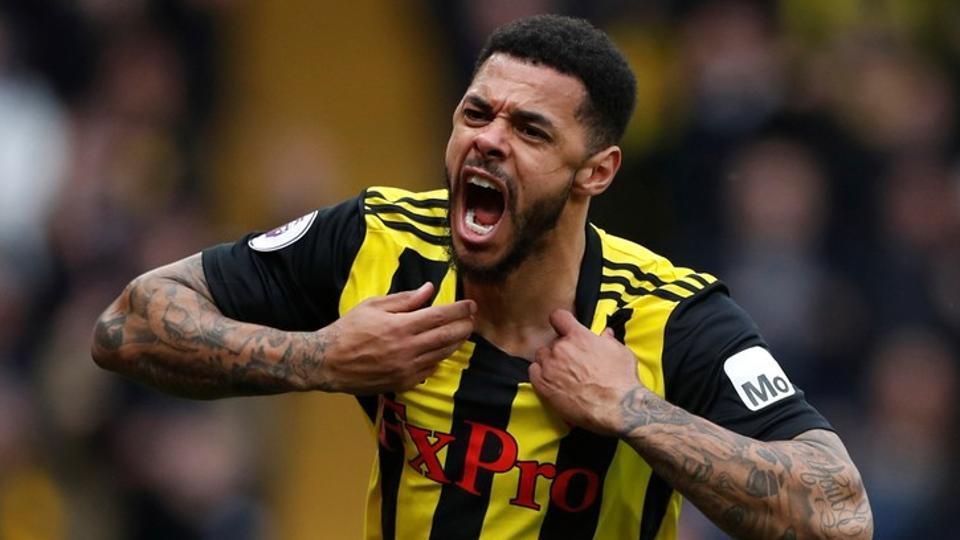
The modern goalkeeper spends nearly as much time orchestrating possession as diving to stop shots. Under intense high presses, teams can no longer afford to treat their goalkeeper as an emergency clearance outlet. Instead, coaches integrate the keeper directly into the first build-up line, creating an eleven-versus-ten numerical superiority that fo
Half-Space Occupation: Why the Channels Inside the Wingers Decide Elite Matches

Divide a football pitch vertically into five lanes—two wide touchline corridors, one central lane directly aligned with the goals, and the two vertical strips situated between them—and those intermediate strips emerge as the half-spaces. Top coaches prioritize these channels relentlessly because they offer the optimal blend of central goal proximit
Third-Man Runs Explained: Unlocking Compact Midfield Blocks With Wall Passes
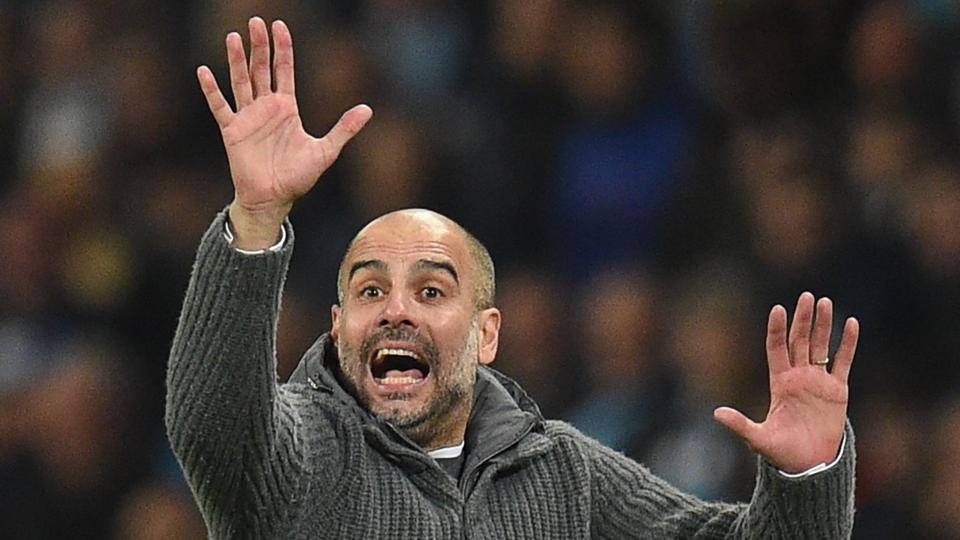
In tightly organized matches, passing directly to the player you ultimately want to receive the ball is often impossible because an opponent sits squarely inside the direct passing lane. The third-man concept resolves this spatial obstacle through an indirect chain of movement: Player A passes to Player B, who sets the ball instantly into the path
Why the Three-at-the-Back Revival Continues Across Top European Leagues
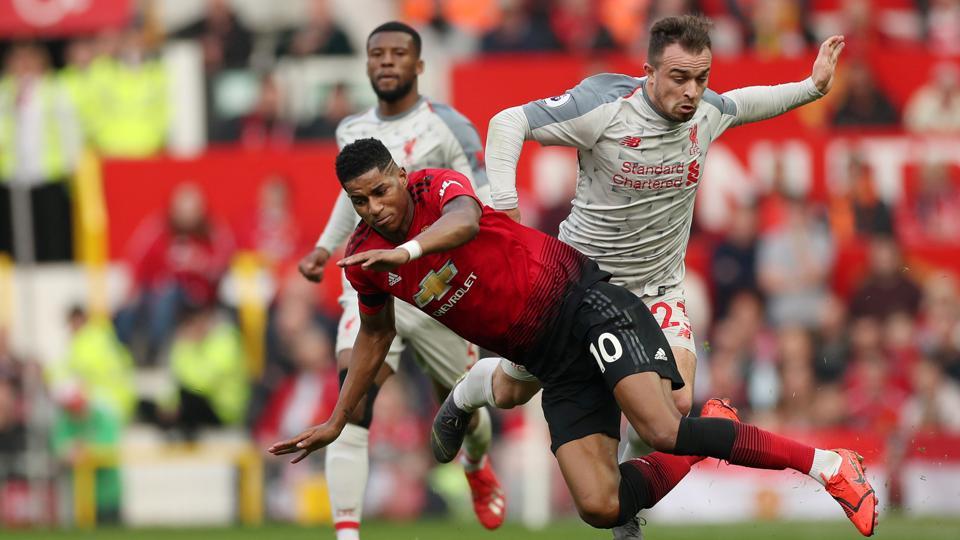
Once dismissed by some purists as overly cautious, three-center-back systems have firmly reclaimed a central place across Europe’s major competitions. Far from representing a negative five-defender wall, modern back-three structures provide unmatched adaptability across every phase of play. Coaches deploy them to solve pressing problems, maxi
Double Pivot Mechanics: Balancing Ball Progression and Central Protection

A single holding midfielder offers extra attacking numbers further forward, yet leaves huge horizontal corridors exposed during transitions. For that reason, many elite managers rely on a double pivot—two deep midfielders operating ahead of the center-backs—to anchor both build-up play and defensive organization. When synchronized effectively, the
Breaking Down a Stubborn 5-4-1 Low Block Without Resorting to Endless Crosses
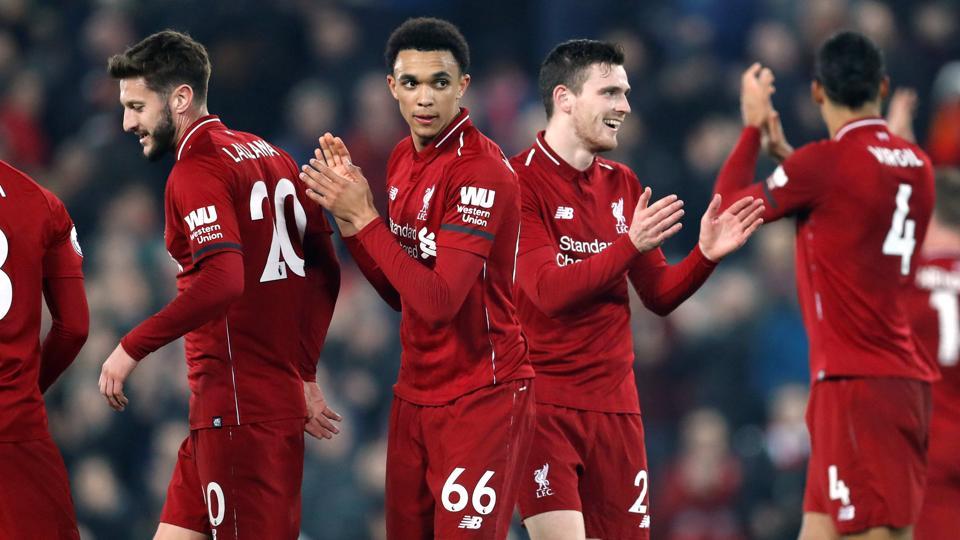
Few tactical puzzles frustrate possession-heavy sides more than a disciplined 5-4-1 low block. With five defenders covering the width of the penalty area and four midfielders screening central lanes just yards ahead, spaces behind the defense vanish completely. Teams that grow impatient frequently drift into predictable wide play, whipping hopeful
Counter-Pressing Triggers: Winning the Ball Back Inside Five Seconds
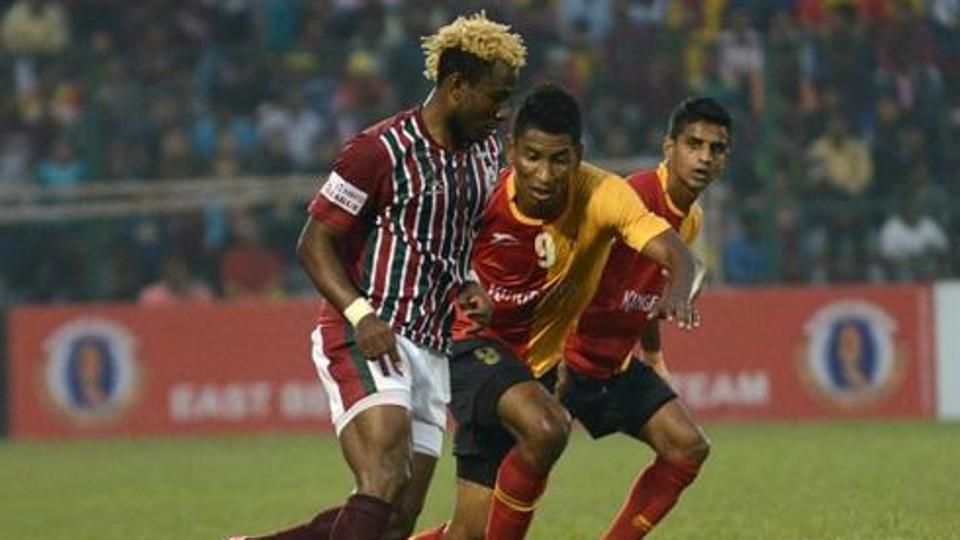
The most disorienting moment for any defending team occurs immediately after they win the ball back. During that brief transition window, players naturally begin shifting out of defensive shapes into attacking positions, expanding spaces between lines and focusing forward rather than scanning for danger behind them. Counter-pressing exploits that e
Why Rest-Defense Architecture Matters More Than Attacking Numbers

Amateur analysis often equates attacking ambition with pushing as many players as possible ahead of the ball. Yet elite coaches recognize that sustained attacking pressure depends just as heavily on the players positioned behind the play. Known as rest-defense, this preventative structure governs how a team arranges its defenders and deep midfielde
The False Nine Evolution: Creating Midfield Overloads Without a Traditional Striker

Few tactical roles confuse defensive lines more effectively than the false nine. Instead of pinning center-backs near the penalty box, a false nine begins in the center-forward zone and drops into midfield as possession progresses. This single movement confronts defenders with a lose-lose choice: track the striker into unfamiliar territory and leav
Inverted Full-Backs vs. Overlapping Wing-Backs: Choosing the Right Width Model
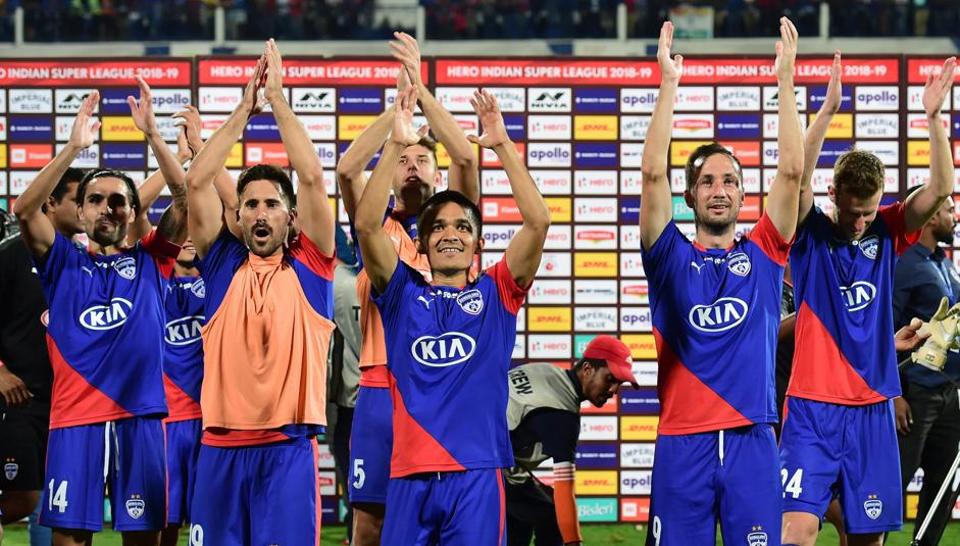
Width is one of the most valuable currencies in modern football, yet managers disagree sharply on who should provide it. Two contrasting philosophies dominate elite tactical planning: deploying inverted full-backs who drift into central midfield while wingers hug the touchline, or relying on overlapping wing-backs who surge forward from deep to sup
High-Line Defending and the Modern Offside Trap: Risk Versus Reward
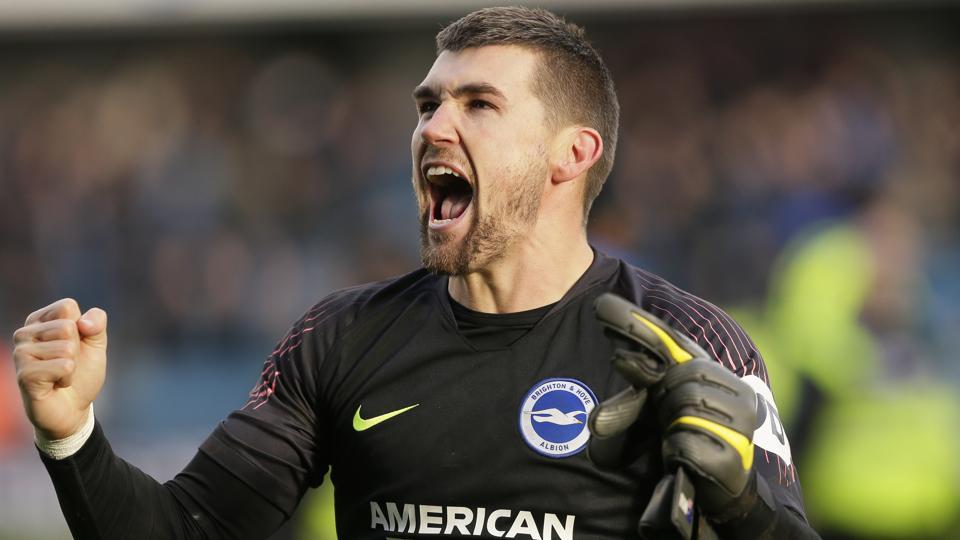
Stationing a defensive back four near the halfway line requires immense collective discipline and tactical clarity. Modern proactive teams push their defenders up the pitch not out of recklessness, but to shrink the vertical playing area available to the opposition. When the distance between the striker and the center-backs compresses to around thi



















