
Counter-Pressing Triggers: Winning the Ball Back Inside Five Seconds
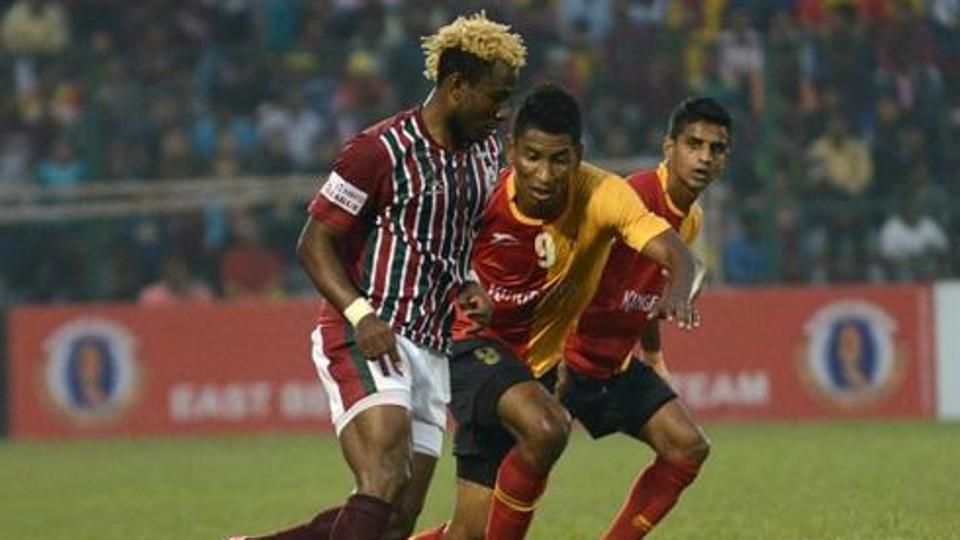
The most disorienting moment for any defending team occurs immediately after they win the ball back. During that brief transition window, players naturally begin shifting out of defensive shapes into attacking positions, expanding spaces between lines and focusing forward rather than scanning for danger behind them. Counter-pressing exploits that exact moment of structural vulnerability by swarming the ball-carrier inside the first five seconds of a turnover.
Recognizing the Right Moment to Swarm
Effective counter-pressing is selective rather than blind. Sprinting recklessly after every lost ball stretches a team and leaves easy passing lanes open behind the press. Instead, elite pressing teams respond to specific visual triggers that signal the opponent lacks clean control or vision.
When a turnover occurs near the touchline, the sideline acts as an extra defender, cutting off half the available passing angles. Equally potent is a poor first touch by the ball-winner, a bounce that forces their eyes downward, or a pass received with their back facing the attacking half. Those cues ignite an immediate collective surge from the nearest three or four players, collapsing space before the opponent can lift their head.
Conversely, if possession turns over cleanly to an unpressured creative midfielder facing forward in the center circle, chasing wildly becomes suicidal. In those moments, the nearest player delays the carrier while teammates sprint back toward goal-side recovery lines.
The Four-Layer Counter-Press Structure
- Immediate ball pressure: The nearest player closes the ball-carrier at maximum sprint speed, angling their run to block the easiest forward outlet.
- Passing-lane shadows: Two supporting teammates step onto the most natural short pass options, denying an easy escape sideways or backward.
- Central interception zone: A holding midfielder reads the panic clearance and steps up to claim loose second balls around the center circle.
- Safety-first cover: Remaining defenders push forward aggressively only while pressure on the ball is tight; if the opponent escapes, they drop immediately.
Managing the Consequences of a Broken Press
Every counter-press carries an expiration clock. If the ball-carrier evades the initial wave of pressure and switches play cleanly to the opposite flank, continuing to chase forward becomes counterproductive and drains legs rapidly. Disciplined teams enforce a strict five-second rule: either win possession, force a rushed clearance out of bounds, or halt the break cleanly before transitioning straight back into a compact mid-block.
Importantly, counter-pressing quality begins while a team still owns the ball. Keeping short passing distances in attack ensures three teammates already stand within five yards of any potential turnover, ready to close exits immediately. Teams that neglect compact spacing while attacking often find their counter-press arriving a full second too late, allowing opponents to escape cleanly. When executed with precision, counter-pressing functions as an elite playmaker—recovering possession high up the pitch against disjointed defenders to create clearer scoring chances than patient positional attacks.


















Leave a Reply