
How to Watch a Live Football Match Like a Tactical Analyst
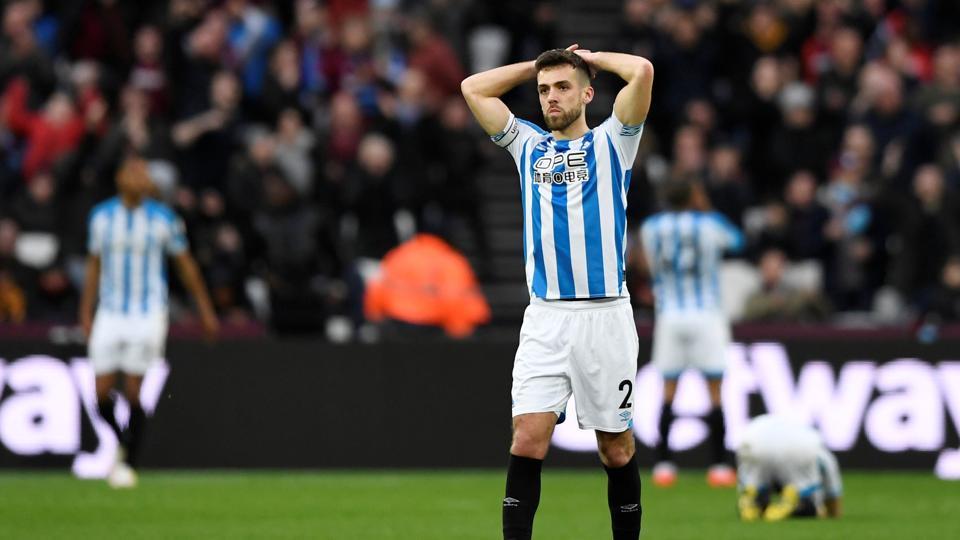
Most supporters watch a football match by tracking the ball from pass to pass. While that captures the drama of shots and tackles, the decisive tactical battles usually unfold thirty yards away from possession. Watching like an analyst means shifting your gaze from the ball carrier to the structural shapes, spacing, and off-ball cues that dictate what options exist before a pass is even struck.
Shift Your Gaze Away From the Ball
When a center-back receives possession in the first phase of build-up, pause your focus on the ball and scan the rest of the pitch. Check whether the opposing forward line is pressing with two strikers or a lone center-forward flanked by narrow wingers. Notice the vertical distance between the opposition’s defensive line and midfield line; if that gap exceeds fifteen yards, an attacking midfielder will soon find room to turn between the lines.
This wider lens reveals why certain teams appear effortlessly progressive while others stall. Often, a seemingly simple lateral pass only works because an off-ball runner pinned a full-back or dragged a holding midfielder out of the central corridor.
Track Four Core Matchday Reference Points
Rather than trying to monitor twenty-two players simultaneously, experienced scouts anchor their attention on four recurring indicators throughout ninety minutes:
- Build-up structure vs. pressing shape: Identify whether the team in possession builds in a back three, a standard back four, or a 3-2 base with an inverted full-back stepping beside the pivot.
- Line height and compactness: Observe how quickly the defensive block steps up after a backward pass or drops when the ball carrier has unpressured time.
- Half-space occupation: Watch which players operate in the vertical channels between the opposition full-back and center-back, where most progressive combinations originate.
- Rest-defense positioning: Count how many defenders stay behind the ball during sustained attacks to neutralize immediate counter-attacks.
Separate Patterns From Isolated Mistakes
A stray pass or missed interception can look like individual carelessness, yet analysts ask whether the error was engineered by the opponent’s structure. If a right-back repeatedly loses possession down the touchline, check whether the opposition winger is deliberately curving his pressing run to cut off the inside pass while a central midfielder jumps onto the touchline receiver. Repetition across three or four sequences signals a deliberate tactical trap rather than random fortune.
Read Body Orientation and Scanning Habits
Before the ball arrives at a midfielder’s feet, look at his shoulders and head movement. Players who scan over both shoulders prior to reception can open their hips and play forward in one or two touches. Players forced to receive with their backs fully turned to goal usually settle for a safe bounce pass, allowing the defensive block to reset. Once you train your eye on spacing, scanning, and off-ball triggers, every live match becomes an unfolding chess game where breakthroughs feel predictable several passes before the final shot.


















Leave a Reply