
Goalkeepers as Extra Outfielders: Sweeper-Keeper Positioning in Build-Up
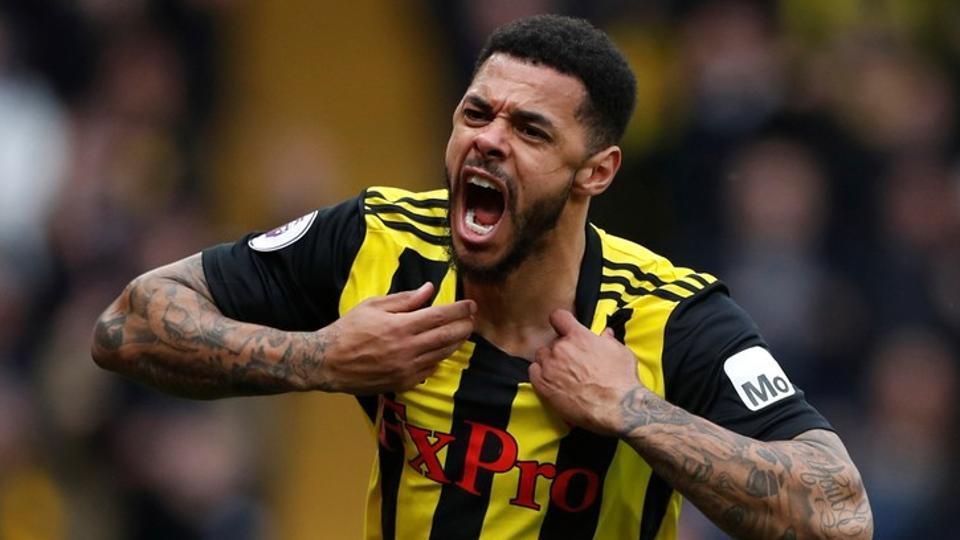
The modern goalkeeper spends nearly as much time orchestrating possession as diving to stop shots. Under intense high presses, teams can no longer afford to treat their goalkeeper as an emergency clearance outlet. Instead, coaches integrate the keeper directly into the first build-up line, creating an eleven-versus-ten numerical superiority that fo
Separating Long-Term Statistical Signals From Three-Game Finishing Streaks

Football commentary swings wildly over short stretches. A striker who scores five goals from eight shots across three consecutive weekends is suddenly hailed as transformed, while a forward hitting the woodwork twice and seeing two efforts tipped wide is labeled out of sorts. Yet statistical analysis across top divisions consistently shows that sho
Goalkeeper Time Management and Tempo Control Under Modern Refereeing Guidelines
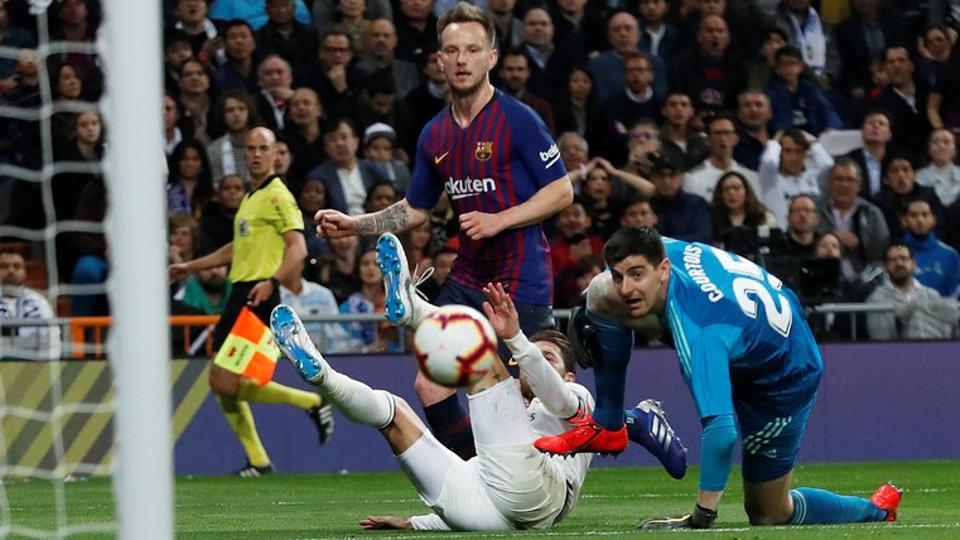
Goalkeepers once acted purely as shot-stoppers and long-kickers, yet modern tactical evolution and stricter refereeing guidelines have turned the number one into a team’s primary tempo controller. With officials penalizing blatant time-wasting far earlier and adding every delayed second back onto stoppage time, goalkeepers must now manage mat
Why Goalkeeper Distribution Profiles Now Drive First-Team Recruitment
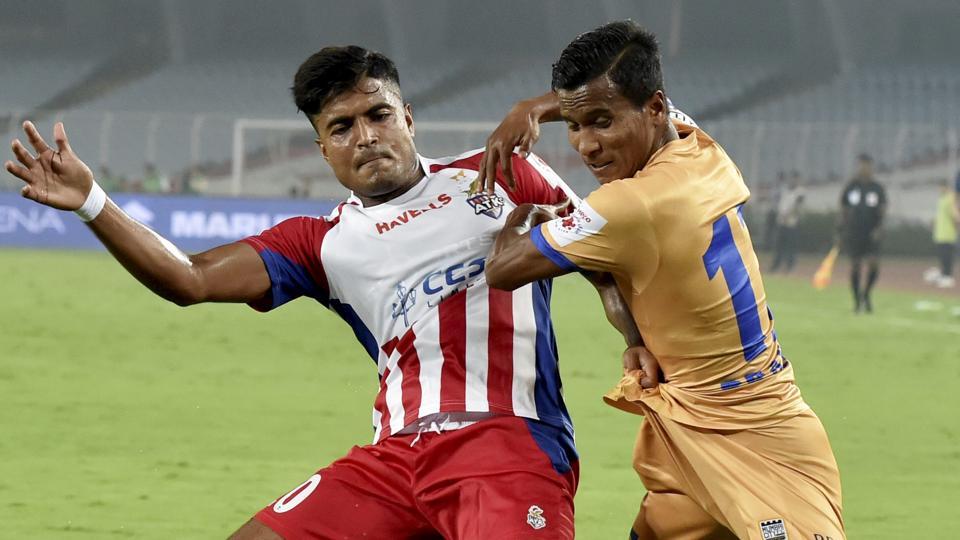
Shot-stopping remains the non-negotiable baseline of goalkeeping, yet across Europe’s top divisions, distribution profile now decides which keeper reaches a club’s primary recruitment shortlist. As high-pressing opponents routinely lock onto center-backs in aggressive man-to-man schemes, the goalkeeper operates as the true spare man in
Dual-Nationality Eligibility and Changing Recruitment Landscapes in International Football
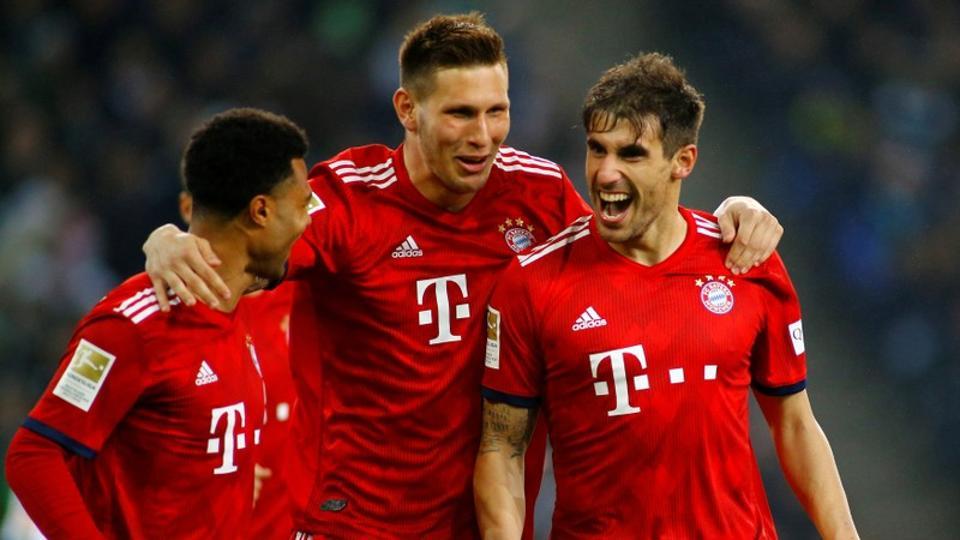
International football used to draw primarily from players born and developed inside a single domestic pyramid. Today, globalization, migration patterns, and updated FIFA eligibility rules have created a dynamic recruitment marketplace where national federations actively scout, court, and integrate dual-national and heritage-eligible players across
Half-Space Occupation: Why the Channels Inside the Wingers Decide Elite Matches

Divide a football pitch vertically into five lanes—two wide touchline corridors, one central lane directly aligned with the goals, and the two vertical strips situated between them—and those intermediate strips emerge as the half-spaces. Top coaches prioritize these channels relentlessly because they offer the optimal blend of central goal proximit
How Broadcast Camera Angles Hide Off-Ball Pressing and Spatial Coverage
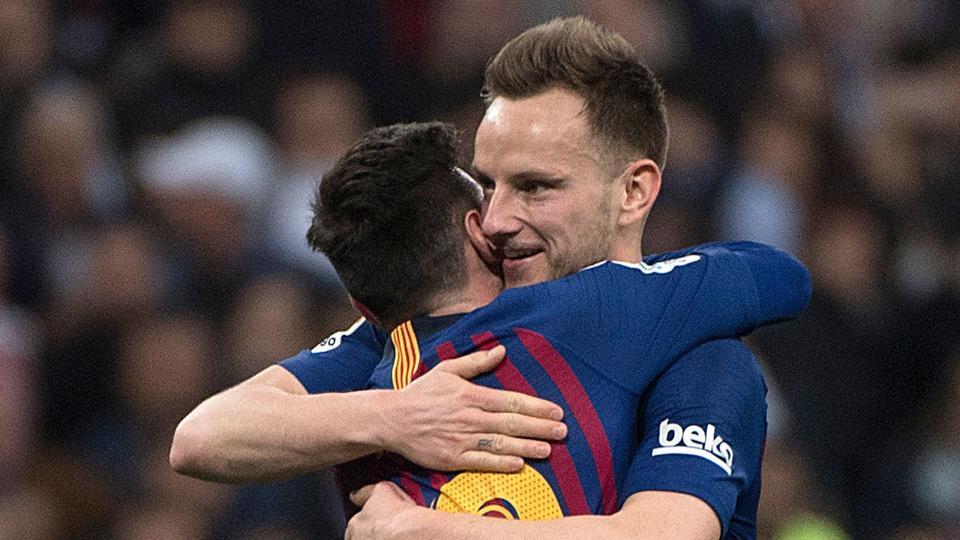
Most supporters experience football through the standard television broadcast camera, positioned high along the halfway line and constantly zooming toward the ball. While that framing maximizes clarity around tackles, dribbles, and penalty-box drama, it leaves vast sections of the pitch off-screen. As a result, fans watching on television routinely
Reading Full-Back Height to Spot Where a Team Intends to Attack
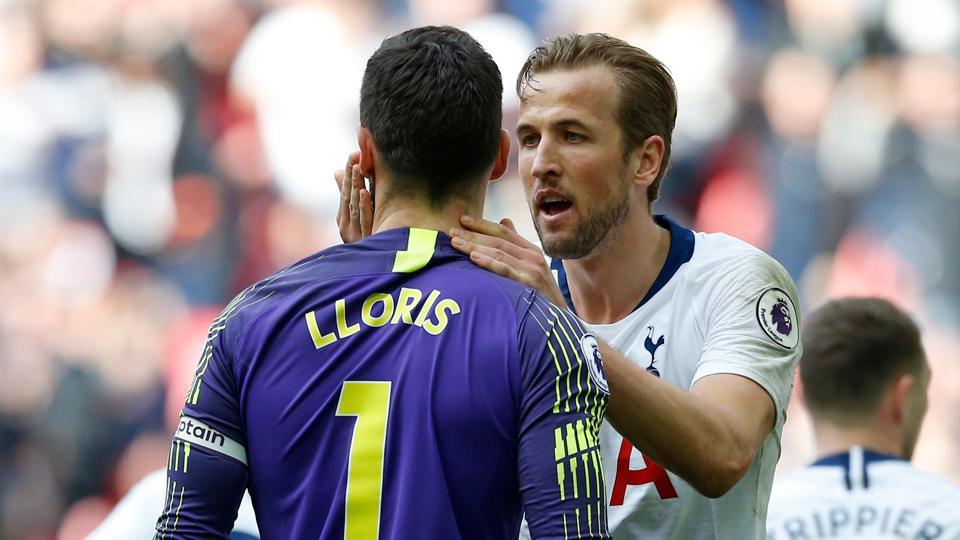
A team’s tactical blueprint rarely stays symmetrical for long once possession moves into the middle third. One of the clearest visual shortcuts in live football analysis is tracking the vertical height of both full-backs. Before a single through-ball is played, the contrasting positions of the left-back and right-back telegraph exactly which
Transitioning From Interim Caretaker to Long-Term Tactical Rebuild
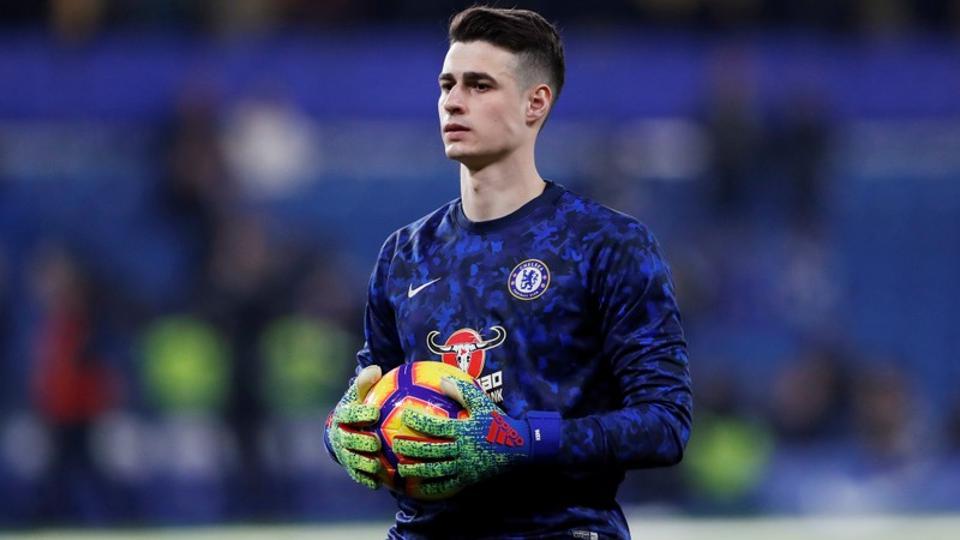
When a club parts ways with a head coach mid-season, the immediate mandate for an interim caretaker is emotional stabilization and simple tactical triage. Caretakers succeed over eight-week rescue spells by simplifying build-up rules, restoring familiar positional roles, and lifting dressing-room morale after months of tension. Yet turning that sho
Why Set Pieces Decide a Disproportionate Share of World Cup Knockout Games
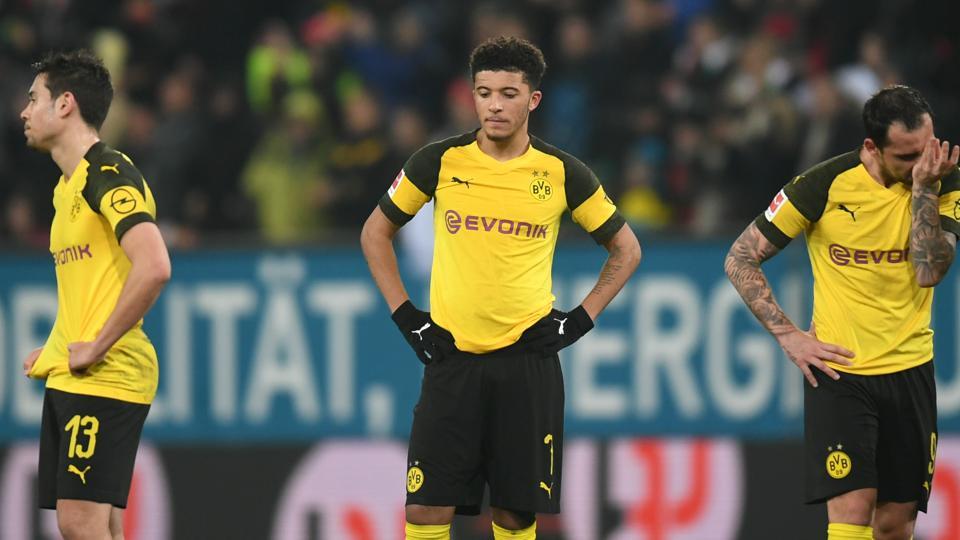
In open play, World Cup knockout matches frequently tighten into cautious, low-scoring chess matches where neither coach wants to leave space behind the back line. Yet as open-play chances dry up, corners, wide free kicks, direct strikes, and long throws routinely break the deadlock. Across recent international tournaments, set pieces have accounte
Third-Man Runs Explained: Unlocking Compact Midfield Blocks With Wall Passes
In tightly organized matches, passing directly to the player you ultimately want to receive the ball is often impossible because an opponent sits squarely inside the direct passing lane. The third-man concept resolves this spatial obstacle through an indirect chain of movement: Player A passes to Player B, who sets the ball instantly into the path



















