
Why Pre-Season Friendly Results Rarely Predict League Form
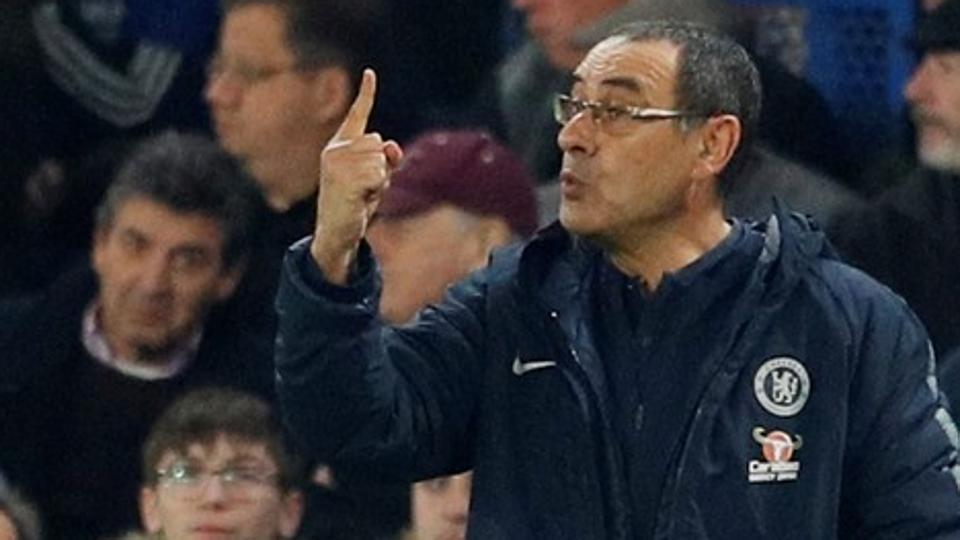
Every July and early August, pre-season friendlies spark waves of premature optimism and panic. A commanding victory on an overseas tour convinces supporters that a tactical revolution has arrived, while a sluggish defeat to lower-tier opposition triggers warnings of an impending relegation battle. Yet history repeatedly demonstrates that pre-seaso
Chasing an Equalizer: Balancing Extra Attackers Against Counter-Attack Exposure
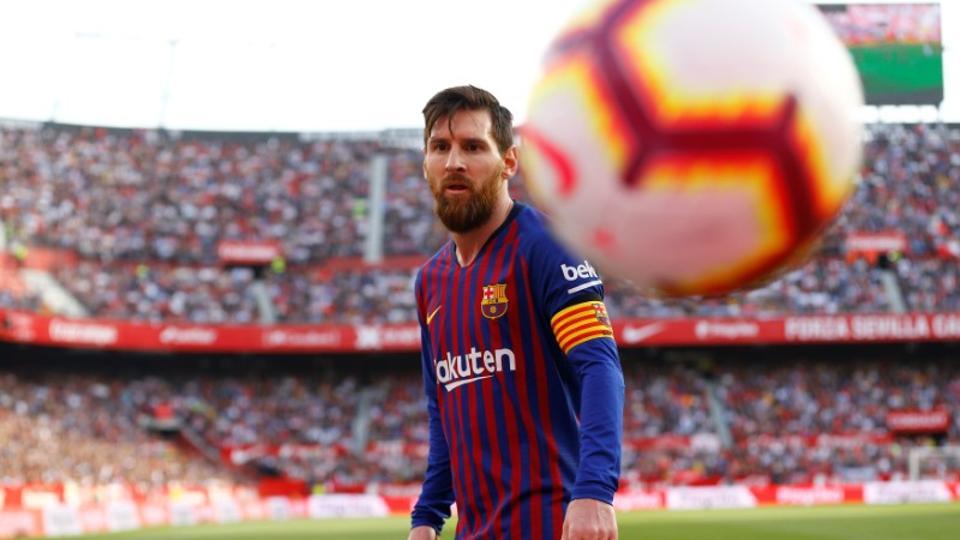
When a team trails by a single goal with twenty minutes remaining, the natural urge is to throw every available forward onto the pitch. Yet piling five or six attackers onto the opponent’s defensive line without maintaining passing balance often backfires, clogging the penalty box while leaving wide-open grass behind midfield for a lethal sec
How Training Ground Sports Science Reduces Soft-Tissue Injuries During Fixture Congestion
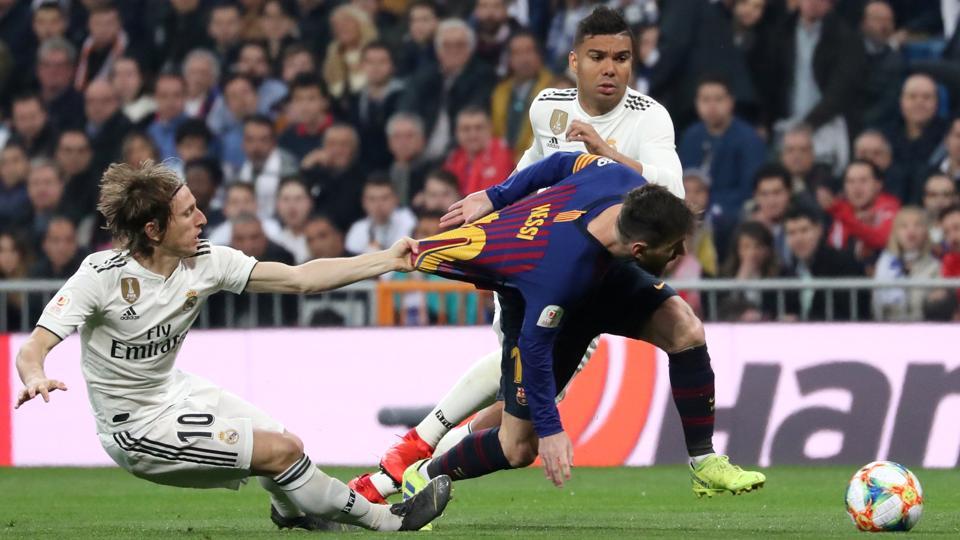
Modern match calendars push outfield players through relentless cycles of domestic league play, continental travel, and cup ties with minimal recovery windows. During three-match weeks, hamstring strains, calf tears, and groin overloads rarely stem from single isolated collisions; they build quietly from accumulated neuromuscular fatigue and unmoni
How CONCACAF and CONMEBOL Qualifiers Test Squad Adaptability
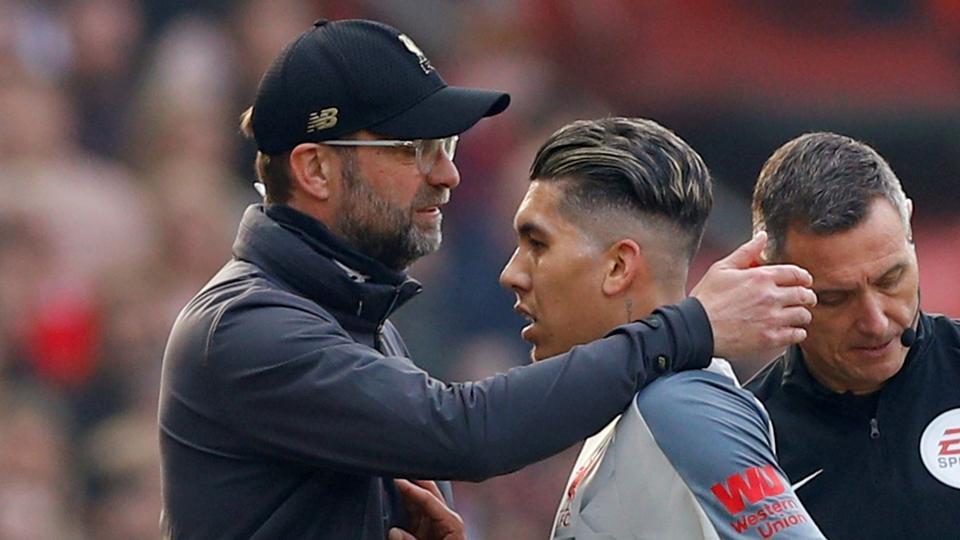
Before a single ball is kicked at a World Cup finals, national teams across the Americas endure two of the most physically and tactically demanding qualifying ecosystems in world football. While European qualifying features frequent mismatches against micro-states on pristine pitches, CONMEBOL and CONCACAF demand constant tactical flexibility acros
Why the Three-at-the-Back Revival Continues Across Top European Leagues
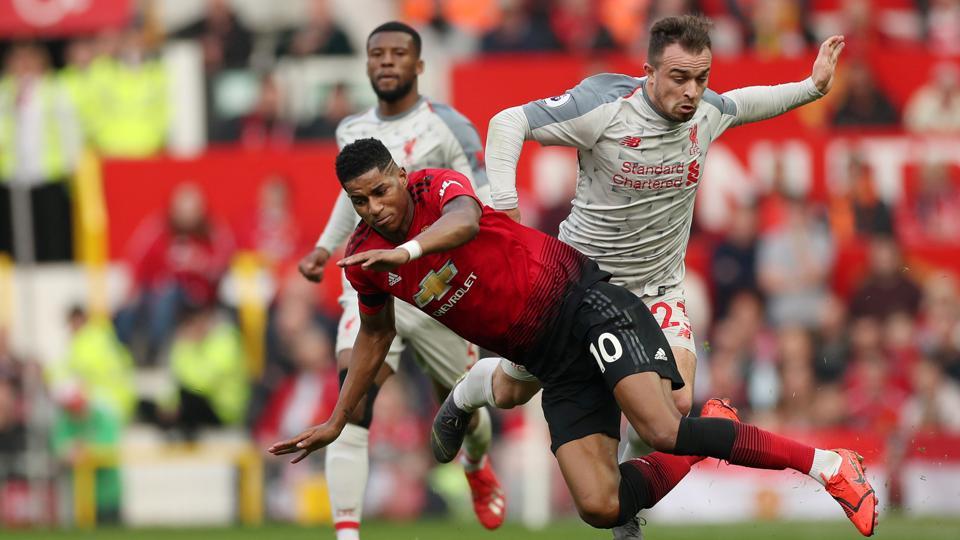
Once dismissed by some purists as overly cautious, three-center-back systems have firmly reclaimed a central place across Europe’s major competitions. Far from representing a negative five-defender wall, modern back-three structures provide unmatched adaptability across every phase of play. Coaches deploy them to solve pressing problems, maxi
Judging Strikers Beyond Goals: Pressing Work, Hold-Up Play, and Box Movement
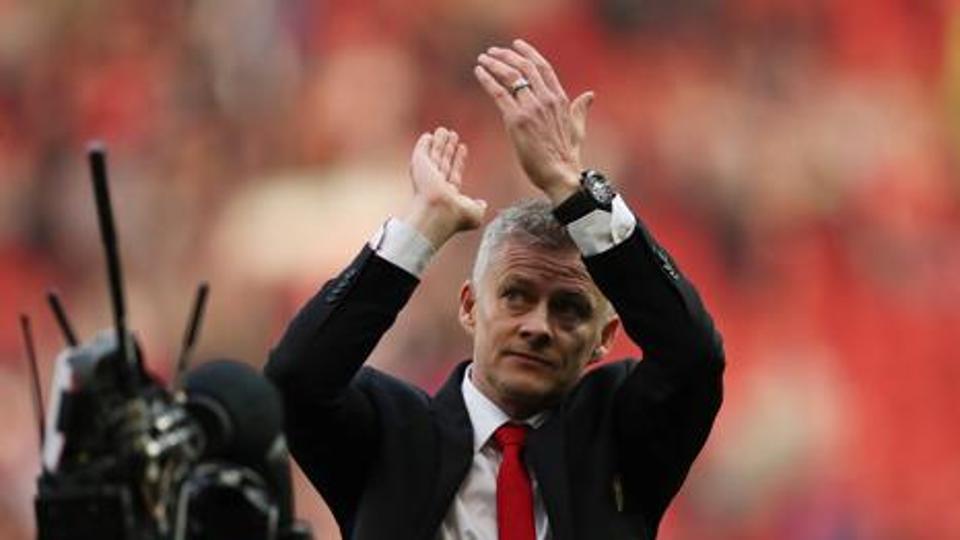
The center-forward remains football’s most straightforwardly judged position. When goals flow, a striker is hailed as clinical; during a five-match drought, questions immediately arise about confidence, movement, and value to the starting eleven. Yet modern elite football demands far more from a number nine than finishing chances, and some of
Momentum Swings Explained: Why Games Flip After Subtle Midfield Tweaks

Commentators frequently attribute sudden momentum swings to spirit, crowd noise, or shifting confidence. While emotion plays a real part in football, sharp tactical observers look underneath the surface. More often than not, a match flips on its head because one coach made a quiet, two-yard midfield tweak that solved a spatial puzzle and deprived t
Multi-Club Ownership Models: Talent Pathways, Synergies, and Governance Debates
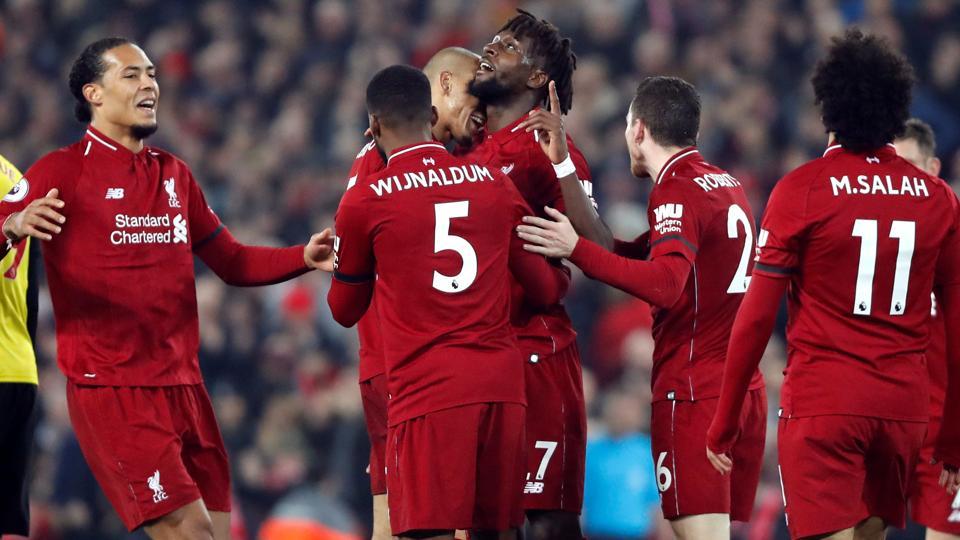
Multi-club ownership networks have grown from a rare experiment into one of the defining structural forces in modern football. Investment groups now control portfolios spanning flagship European contenders, developmental feeder clubs in mid-tier leagues, and recruitment hubs across South America and West Africa. Proponents frame these networks as r
The Growing Tactical Competitiveness of African and Asian National Teams
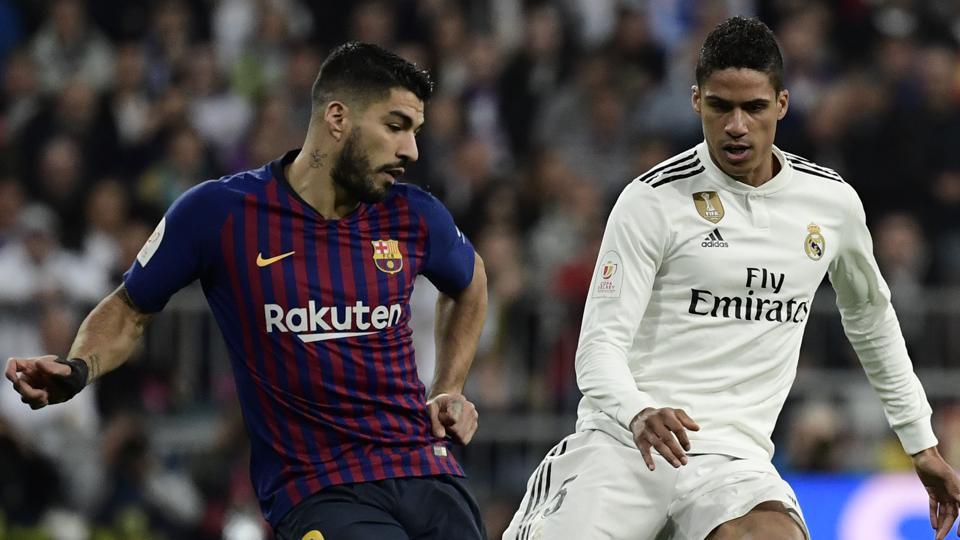
For decades, conventional tournament narratives framed World Cup knockout rounds as an exclusive duel between European and South American heavyweights, treating African and Asian participants as spirited outsiders reliant on individual flair or sheer physical energy. Recent tournament cycles have dismantled that outdated stereotype. Semifinal break
Double Pivot Mechanics: Balancing Ball Progression and Central Protection
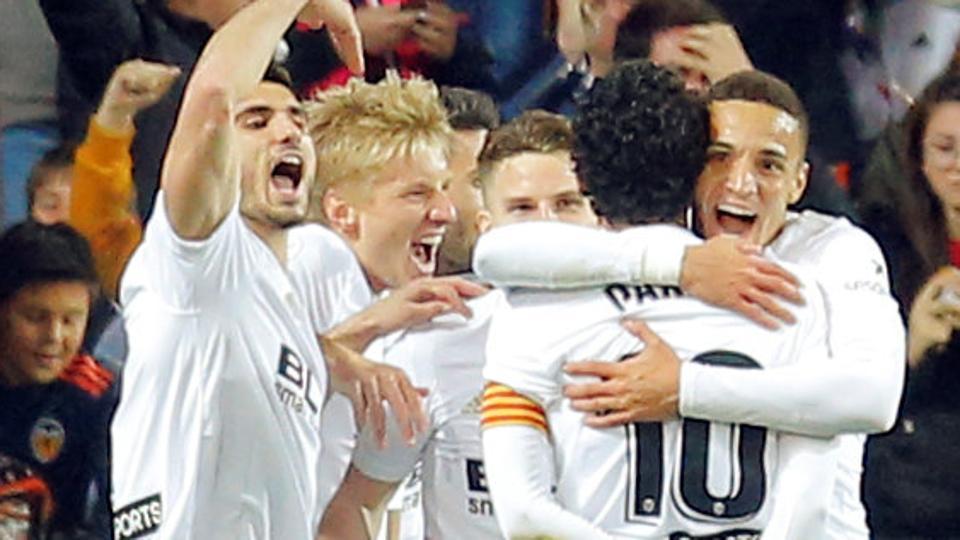
A single holding midfielder offers extra attacking numbers further forward, yet leaves huge horizontal corridors exposed during transitions. For that reason, many elite managers rely on a double pivot—two deep midfielders operating ahead of the center-backs—to anchor both build-up play and defensive organization. When synchronized effectively, the
How Social Media Narratives Turn One Defensive Error Into an Unfair Label
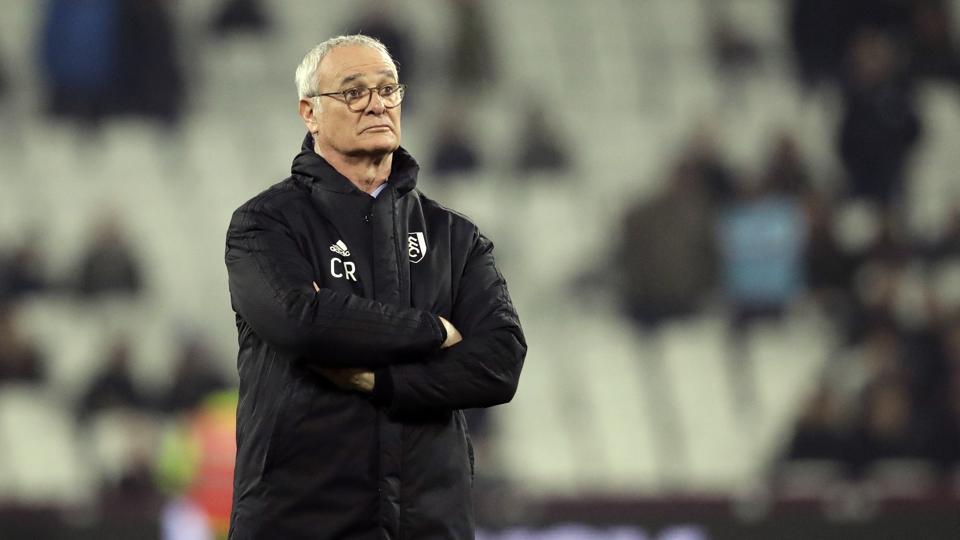
Defenders and goalkeepers operate under an unforgiving spotlight. A striker can miss three presentable chances and redeem the evening with a decisive eighty-fifth-minute winner, while a center-back can play eighty-nine immaculate minutes and still become the focal point of online mockery because of one misjudged bounce or slipped clearance. In the



















