
Reading Pressing Triggers in the Opening Fifteen Minutes of Play
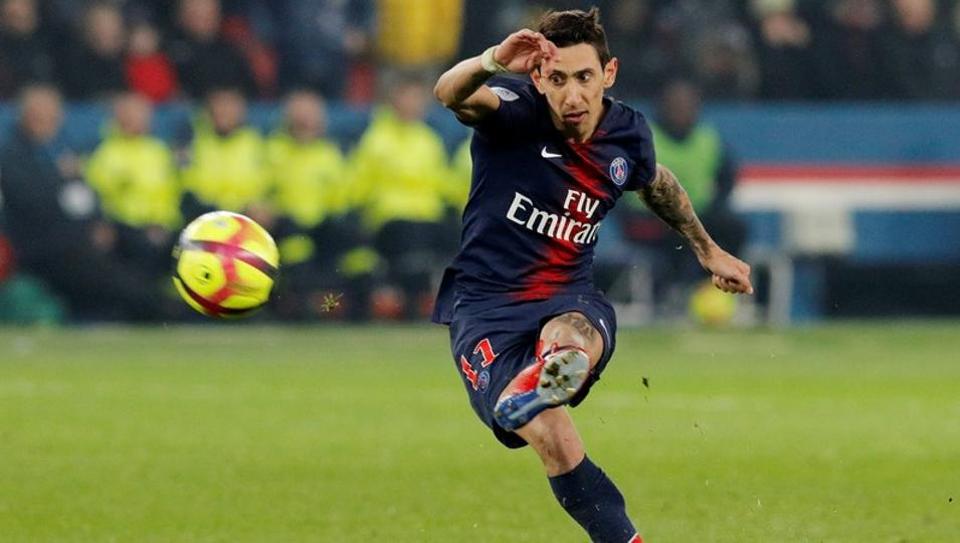
The opening fifteen minutes of a top-level football match act as a live tactical laboratory. Both sides arrive with fresh legs, rehearsed pressing blueprints, and clear hypotheses about where they can win the ball high up the pitch. Rather than chasing possession blindly, organized teams wait for specific moments—known as pressing triggers—to launch synchronized sprints toward the ball.
What Constitutes a Reliable Pressing Trigger
A pressing trigger is a predictable event in possession that temporarily restricts the ball carrier’s field of vision or passing angles. Because defenders cannot sprint at full intensity for ninety minutes, teams stay compact until a designated cue signals the whole unit to jump simultaneously. Without a shared trigger, one eager forward sprints alone and leaves massive passing lanes behind him.
In the first quarter-hour, coaches watch closely to see whether their pre-planned cues actually force turnovers or whether the opponent has prepared an escape route through a dropping midfielder or an athletic goalkeeper.
Five Classic Pressing Cues to Spot Early
If you focus on the moments right before a defensive team surges forward, you will quickly notice five recurring triggers:
- The slow lateral pass across the back line: While the ball travels between center-backs, the nearest forward closes the angle and eliminates the return option.
- The pass into a touchline full-back: The touchline acts as an extra defender, allowing the pressing winger and central midfielder to box the receiver into a narrow corridor.
- A backward pass to the goalkeeper: Many teams use a return ball to the keeper as an automatic cue for their striker to sprint across the six-yard box and force a hurried clearance.
- A bouncing or awkward first touch: Whenever a midfielder has to look down to control a lofted or bobbling ball, nearby markers pounce while his head is lowered.
- Receiving with back to goal in midfield: A central pivot taking a square pass without scanning becomes vulnerable to a blind-side jump from an opposing number eight.
How Possession Teams Bait and Break the Press
Modern build-up coaches understand these triggers just as thoroughly as pressing specialists, so they intentionally bait them. A goalkeeper might pause with the ball under his studs to invite the striker’s sprint, only to clip a pass over the jumping midfield line into a free number ten. Alternatively, a full-back holds a deep position to draw the opposing winger forward, freeing the space behind him for a diagonal ball to an advancing wide forward.
Why Early Trigger Battles Decide Match Tempo
If a pressing side wins two or three high turnovers inside the opening fifteen minutes, the opposition center-backs naturally grow hesitant, taking extra touches or hoofing clearances early. Conversely, if a build-up unit slices cleanly through the initial traps twice in a row, the pressing manager often drops the engagement line ten yards deeper to protect space behind midfield—handing territorial control to the brave passers.


















Leave a Reply