
Why Pressing Intensity Peaks in October and Adjusts Through Mid-Winter
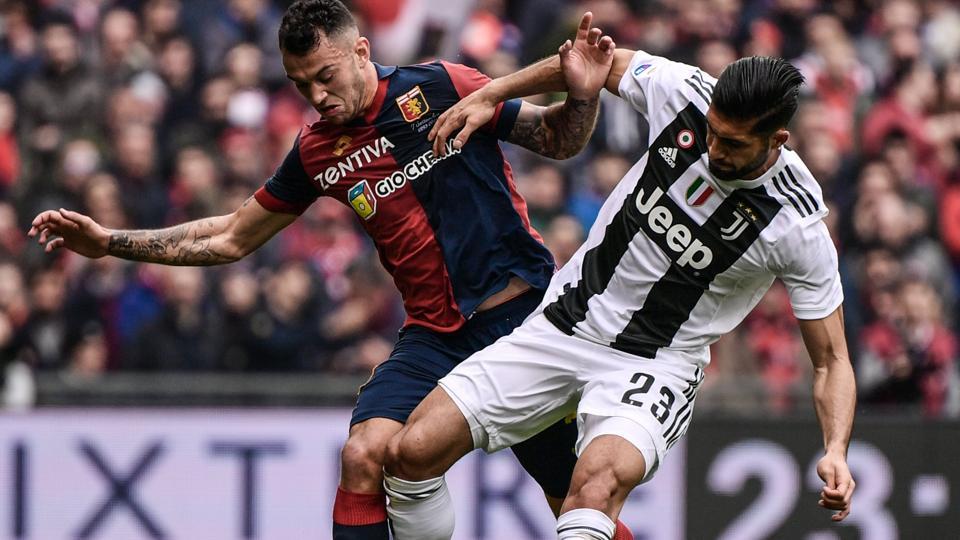
Across Europe’s major domestic campaigns, a recognizable physical and tactical rhythm plays out almost every autumn and winter. Teams burst out of September and hit ferocious pressing intensity in October, only for many of the same clubs to dial back their aggressive front-foot hunting by December and January. This seasonal shift rarely reflects a change in coaching philosophy; instead, it reflects deliberate workload management across a grueling calendar.
The Sweet Spot of Early Autumn
By October, squads have shaken off early-season rust and internalized their tactical pressing triggers, while cumulative fatigue remains manageable. Midweek European group stages and domestic cup ties are underway, yet players still carry the aerobic base built in pre-season. Coaches exploit that peak physical window to impose suffocating counter-presses, chase opponents up to the corner flag, and establish early league position.
In statistical terms, passes allowed per defensive action and high-turnover rates frequently reach their sharpest intensity during this autumn window before winter congestion begins compressing recovery cycles.
Why Mid-Winter Forces Tactical Pragmatism
Between late November and February, fixture density escalates while weather conditions, heavier pitches, and travel delays erode recovery time between matches. Maintaining ninety minutes of maximal sprint pressing every three days becomes physiologically unsustainable—and invites soft-tissue injuries across thin positions.
Smart coaching staffs adjust proactively rather than waiting for their squads to break down:
- Selective pressing triggers: Instead of harassing every goal kick, teams drop into a structured mid-block and activate full sprints only when opponents play backward or toward a specific touchline.
- Longer controlled possession spells: Keeping the ball patiently in midfield gives high-mileage attackers brief breathing spells without surrendering defensive control.
- Earlier tactical substitutions: Rotating wingers and box-to-box midfielders around sixty minutes preserves pressing energy in the zones that cover the highest sprint distances.
- Game-state conservation: Once ahead by two goals, elite sides deliberately drop ten yards deeper to protect hamstrings and calves ahead of the next midweek fixture.
Distinguishing Adaptation From Decline
Supporters and pundits sometimes misread mid-winter tactical conservatism as waning hunger, dressing-room fatigue, or tactical regression. In truth, lowering pressing volume from relentless to selective during congested months is often what keeps title challengers healthy enough to sprint again when decisive spring knockout ties and league run-ins arrive.
Teams that refuse to modulate their autumn pressing intensity through January often pay a steep price in February and March, losing key fullbacks and midfielders to recurring muscle strains just as the season reaches its peak.
Managing a Nine-Month Marathon
Modern league titles and European qualification spots are won by pacing physical and tactical intensity wisely. Watching how a manager modulates pressing height, defensive block compactness, and rotation patterns between crisp October nights and soggy January weekends offers one of the clearest insights into elite squad management.


















Leave a Reply