
Why Squad Depth Over Eight Knockout Matches Outweighs a Star-Heavy Starting XI
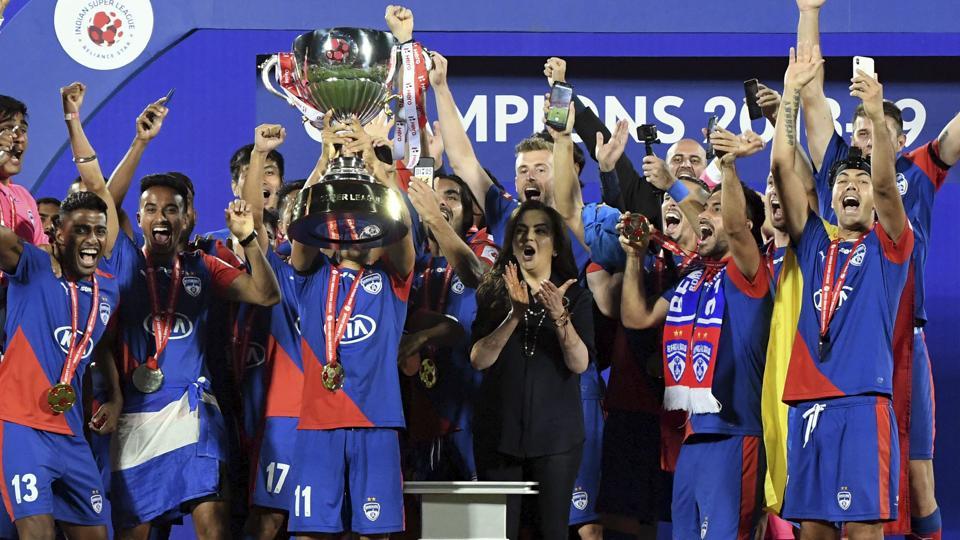
Winning an expanded 48-team World Cup requires navigating eight matches across roughly 39 days—three group fixtures followed by five consecutive elimination rounds from the Round of 32 through the final. That extra knockout hurdle fundamentally shifts roster-building priorities. A federation boasting eleven world-class starters but fragile bench cover can dazzle for two weeks before collapsing under cumulative fatigue, yellow-card suspensions, and minor muscle strains in the quarterfinals or semifinals.
The Compounding Toll of an Eight-Match Path
Consider the physical arithmetic of modern international finals. Players arrive straight from 50-to-60-game club calendars, train in summer heat, and then face matches separated by four or five days, several of which stretch to 120 minutes with extra time. If a single central midfielder or full-back plays 750 or more minutes across seven or eight games, sprint speed, duel win rates, and defensive recovery inevitably dip by the semifinal stage. Teams forced to keep exhausted stars on the pitch because replacements drop the tactical floor lose late-game duels and concede decisive transition goals.
Why Positions 12 Through 20 Decide Tournaments
With five substitutions allowed in regulation time—plus a sixth in extra time—modern tournament matches routinely hinge on the quality of players entering between the 60th and 85th minutes. Fresh, stylistically distinct substitutes allow a coach to alter match geometry rather than merely swap tired legs like-for-like:
- Vertical pace off the bench: Bringing on explosive wingers against tiring full-backs punishes high defensive lines in the final third of a match when spacing widens.
- Midfield ball security: Introducing a press-resistant passer helps a leading side absorb late opponent waves and control tempo without panicking into rushed clearances.
- Tactical versatility: Multi-positional defenders who cover center-back and full-back shield the squad against sudden injuries or disciplinary bans without forcing system overhauls.
- Aerial and set-piece specialists: Late-game target forwards or dominant headers swing dead-ball battles when teams defend deep inside their own penalty box.
Balancing Hierarchy With Rotation
Depth only yields dividends if coaches trust it early in the competition. Group-stage Matchday 3—especially after two opening wins—offers a priceless opportunity to rest key spine players and give backups competitive rhythm before elimination football begins. Waiting until an emergency injury in the quarterfinals to hand a reserve their first tournament minutes invites costly timing errors.
Selection philosophy before the tournament also shapes how depth performs under stress. Bringing a redundant third-choice specialist at one luxury position while leaving defensive midfield or full-back thinly covered exposes a squad to rapid structural collapse after a single yellow-card ban. Equally important is locker-room cohesion: squad players who accept reduced minutes while preparing intensely keep training standards sharp and step seamlessly into high-pressure knockout spots when suspensions strike. In an eight-match marathon, championship teams are rarely the eleven brightest individuals; they are the deepest 20-player units able to sustain intensity into week five.


















Leave a Reply