
How Red Cards Alter Compact 4-4-1 vs. 5-3-1 Defensive Geometry
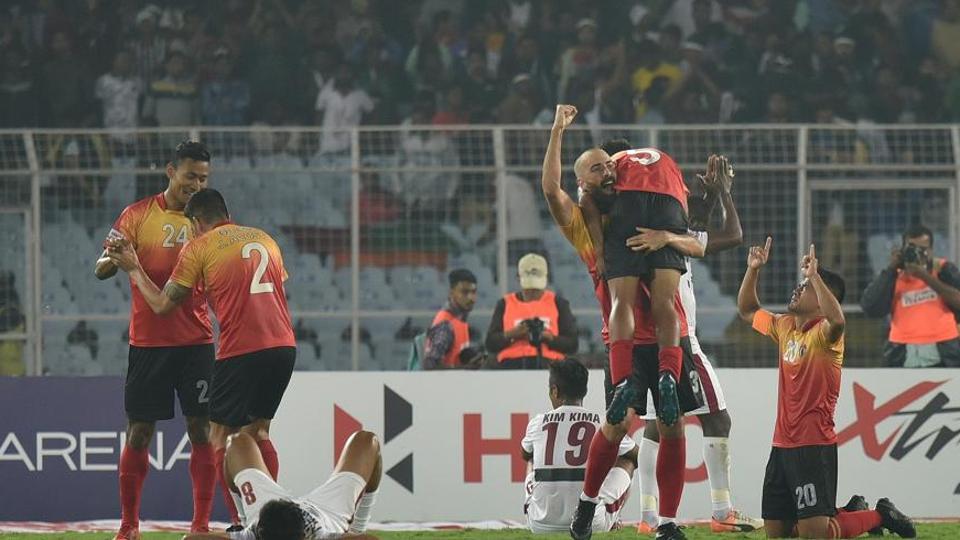
A red card instantly breaks the symmetry of a football pitch. Down to ten players, a team can no longer press across the full width of the grass and protect central zones simultaneously. Within seconds of a dismissal, managers must choose a ten-player defensive geometry—most commonly either a compact 4-4-1 or a reinforced 5-3-1—based on time remain
Hybrid Set-Piece Defending: Combining Zonal Anchors With Man-Marking Trackers
For years, football pundits framed corner-kick defending as an ideological clash between pure man-marking and strict zonal defending. In practice, almost every elite club today operates a hybrid model that blends the strengths of both approaches. Pure man-marking collapses when attacking teams run intricate pick plays to free aerial monsters, while
European vs. South American Tactical Rhythms in Intercontinental Knockout Ties
For over half a century, World Cup knockout rounds have revolved around a fascinating stylistic collision between Europe and South America. Although top South American stars now spend their prime club years inside Europe’s leading tactical leagues, intercontinental knockout matches still reveal distinct competitive rhythms. When nations from
Breaking Down a Stubborn 5-4-1 Low Block Without Resorting to Endless Crosses
Few tactical puzzles frustrate possession-heavy sides more than a disciplined 5-4-1 low block. With five defenders covering the width of the penalty area and four midfielders screening central lanes just yards ahead, spaces behind the defense vanish completely. Teams that grow impatient frequently drift into predictable wide play, whipping hopeful
Shot-Count Fallacies: Why Dominating Shots Does Not Always Mean Dominating Quality
Few post-match talking points sound more persuasive than pointing out that one team registered twenty-two shots while the opponent managed only five. On the surface, a lopsided shot tally appears to prove relentless dominance and bad luck. Yet in modern tactical football, raw shot volume can be deeply misleading, masking sterile possession, low-per
Why Extended Stoppage Time Changed Late-Game Fitness and Pace Management

Modern officiating directives aimed at reclaiming lost playing time—from lengthy VAR checks and goal celebrations to substitution delays—have routinely pushed matches past the ninety-eight- or hundred-minute mark. Adding eight to twelve extra minutes per game may sound minor on paper, yet across a demanding domestic and continental calendar it fund
In-Swinging Corners and Six-Yard Congestion: Inside Modern Dead-Ball Design

Watch corner kicks across Europe’s top divisions today and one tactical shift stands out immediately: the overwhelming dominance of in-swinging deliveries aimed directly into a crowded six-yard corridor. Where previous eras favored out-swingers curling toward late-charging center-backs near the penalty spot, modern set-piece departments delib
How Club Cohesion Influences National Team Chemistry in Short Training Camps

International managers constantly battle the calendar. With fewer than twenty days to sharpen patterns before an opening group match, building intuitive passing triangles, off-ball defensive switches, and coordinated pressing triggers from scratch is nearly impossible. One of the smartest shortcuts available to national team coaches is leveraging e
Rising Influence of Specialist Coaches Across Conditioning, Set Pieces, and Rest Defense

Not long ago, a typical top-flight coaching staff consisted of a manager, one trusted assistant, and a goalkeeping coach. Today, walking out onto an elite training pitch reveals an expanded technical brain trust: dedicated set-piece strategists, sports scientists monitoring sprint loads in real time, individual development mentors, and specialists
Counter-Pressing Triggers: Winning the Ball Back Inside Five Seconds

The most disorienting moment for any defending team occurs immediately after they win the ball back. During that brief transition window, players naturally begin shifting out of defensive shapes into attacking positions, expanding spaces between lines and focusing forward rather than scanning for danger behind them. Counter-pressing exploits that e
Why Manager Sacking Cycles Often Mask Deeper Squad Construction Flaws

When results collapse in top-flight football, the head coach is almost always the first person held accountable. Changing the manager offers clubs a visible reset, temporarily calms restless supporters, and resets dressing-room hierarchy overnight. Yet across major European leagues, clubs that burn through three or four managers in as many years fr



















