
High-Line Defending and the Modern Offside Trap: Risk Versus Reward

Stationing a defensive back four near the halfway line requires immense collective discipline and tactical clarity. Modern proactive teams push their defenders up the pitch not out of recklessness, but to shrink the vertical playing area available to the opposition. When the distance between the striker and the center-backs compresses to around thi
Beyond Goals and Assists: Why Narratives Around Midfielders Often Miss the Story
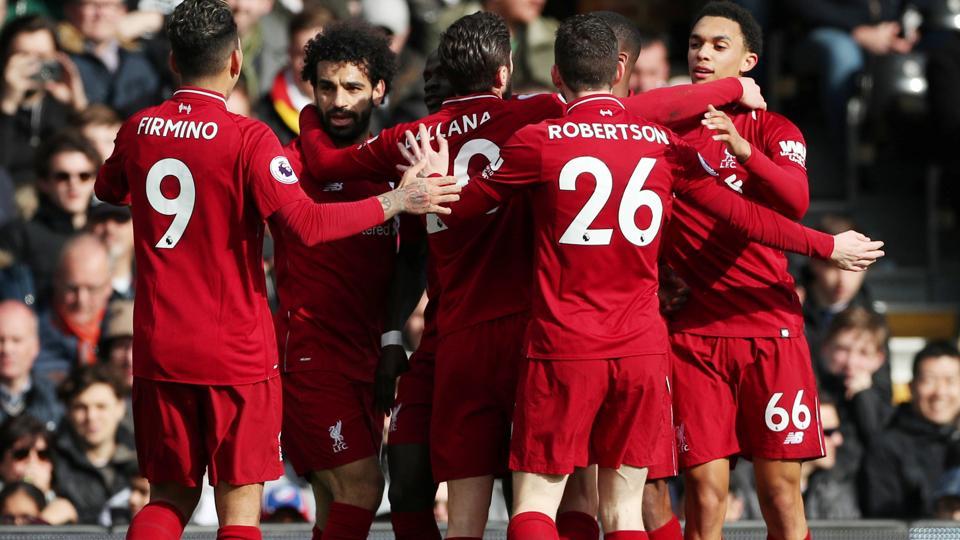
Public debate around midfielders frequently collapses into a narrow tally of goals and assists. While attacking output matters, treating box-score totals as the primary measure of midfield excellence distorts how central players actually shape football matches. A deep-lying playmaker or ball-winning shuttle midfielder can dictate tempo for ninety m
Matchday Preparation: Warm-Ups, Halftime Adjustments, and Game State Management

Long before the referee’s opening whistle, a matchday’s tactical rhythm is already being rehearsed on the grass. Spectators often treat the pre-match warm-up as routine stretching, yet coaching staffs use those twenty-five minutes to lock in positional relationships, test surface bounce, and rehearse exact passing patterns tailored to t
How Sporting Directors Build Balanced Squads Under Financial Sustainability Rules
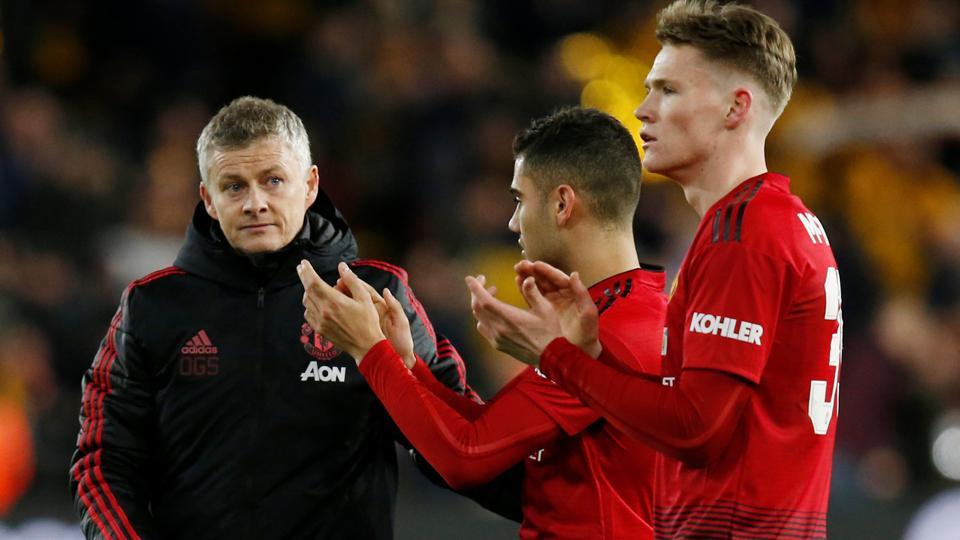
Financial sustainability regulations across the Premier League and UEFA competitions have permanently altered how sporting directors construct squads. Spending power is no longer constrained solely by ownership appetite; it is governed by rolling three-year accounting windows, squad cost ratios tied to football revenue, and strict five-year amortiz
Why International Tournament Football Favors Compact Blocks Over Complex Pressing
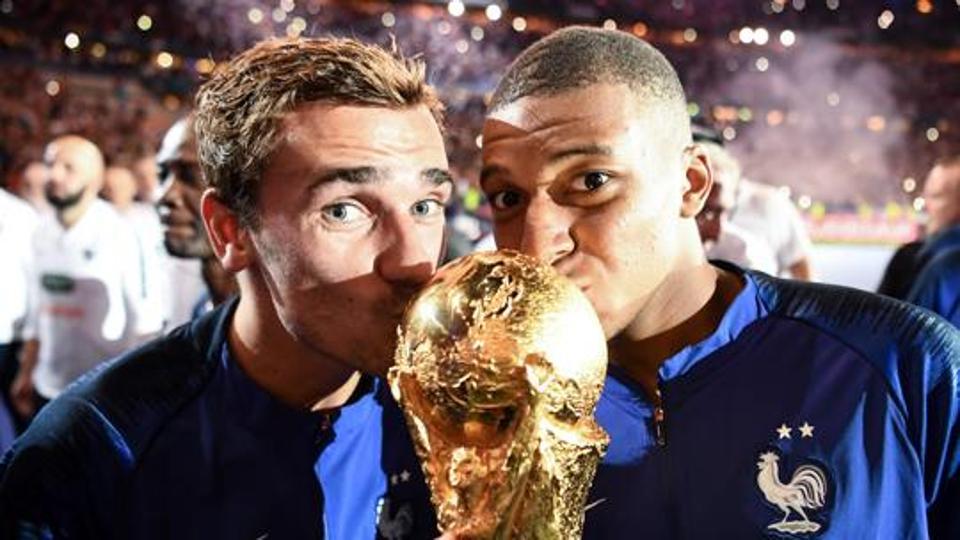
Every major club season showcases intricate pressing choreography—asymmetric traps, hybrid man-to-man rotations, and relentless counter-pressing schemes rehearsed across hundreds of training sessions. Yet when international tournaments arrive in the summer, even possession-loving national teams frequently dial back their pressing intensity and sett
Why Mid-Table Clubs Are Outperforming Budgets With Smart Recruitment Models
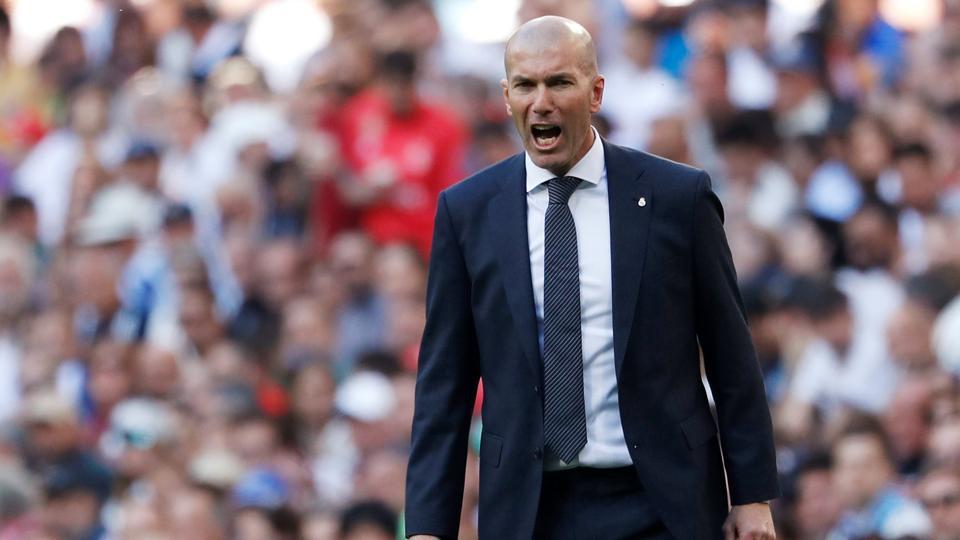
Across Europe’s major leagues, several mid-table clubs are consistently punching above their wage bills and challenging traditional giants for European qualification. Their surge is rarely accidental. Instead of trying to outspend wealthy rivals on established superstars, progressive sporting directors have built integrated recruitment models
How the 3-2-4-1 Box Midfield Reshaped Modern Build-Up Play
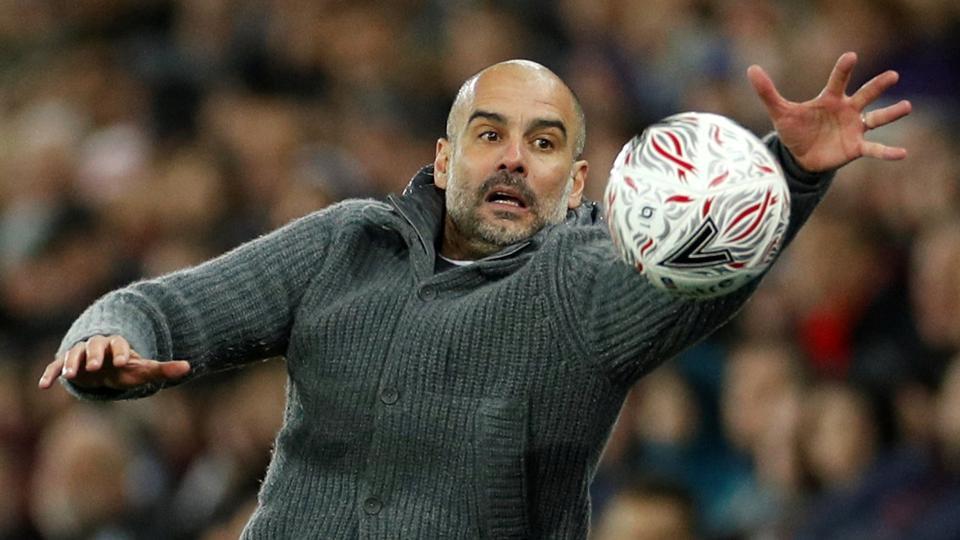
Over the past few seasons, elite European clubs have converged around the 3-2-4-1 in-possession shape. Rather than functioning as a rigid formation on a team sheet, this structure emerges dynamically from a back-four base—most commonly when a full-back steps inside alongside the holding midfielder or when a center-back pushes into the central pivot
Cutting Through Transfer Rumors: How Football Media Cycles Work
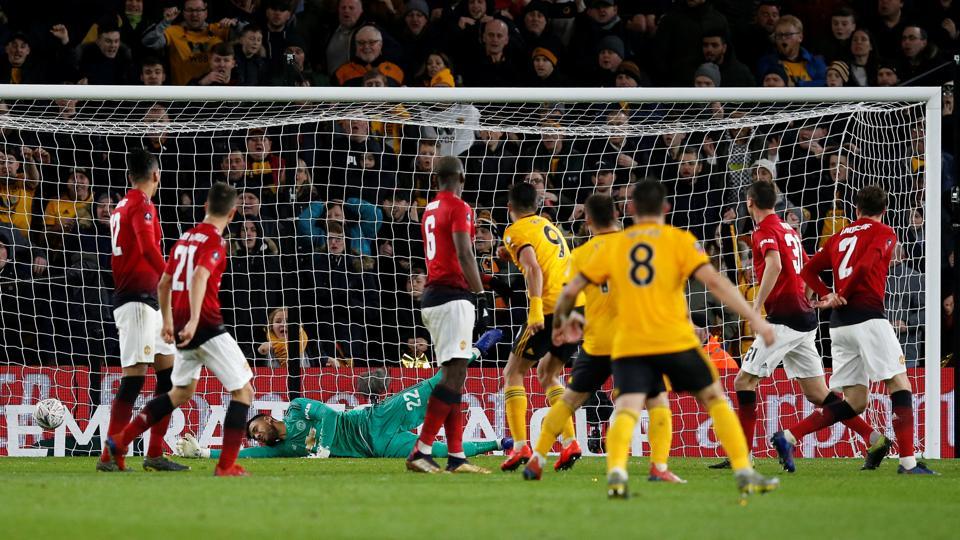
Every summer and January window produces thousands of transfer headlines, yet only a fraction of those linked moves ever materialize into formal bids. For readers trying to separate genuine club interest from background noise, understanding the mechanics of the modern football news cycle is essential. Transfer coverage rarely operates as a simple b
How to Watch a Live Football Match Like a Tactical Analyst
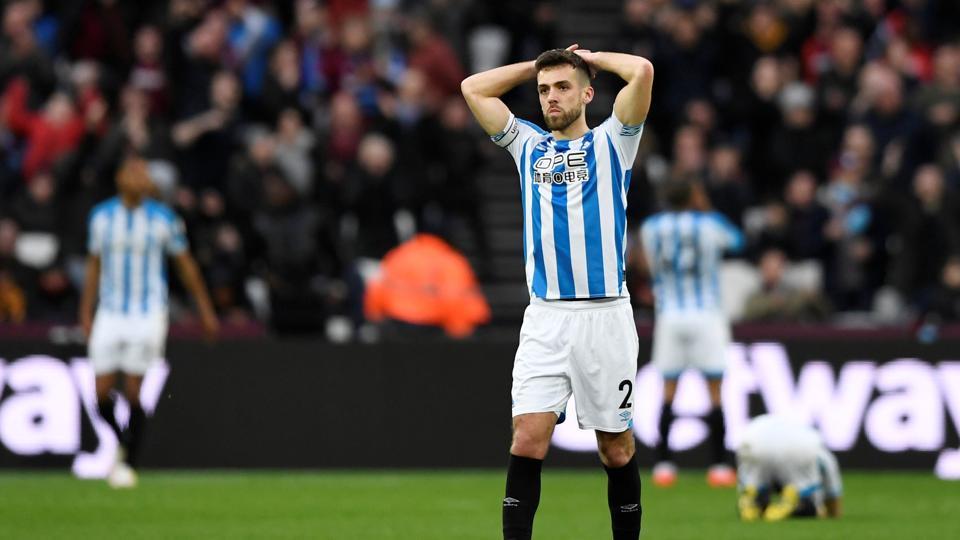
Most supporters watch a football match by tracking the ball from pass to pass. While that captures the drama of shots and tackles, the decisive tactical battles usually unfold thirty yards away from possession. Watching like an analyst means shifting your gaze from the ball carrier to the structural shapes, spacing, and off-ball cues that dictate w
Why Academy Player Development Is Shifting Toward Positional Versatility
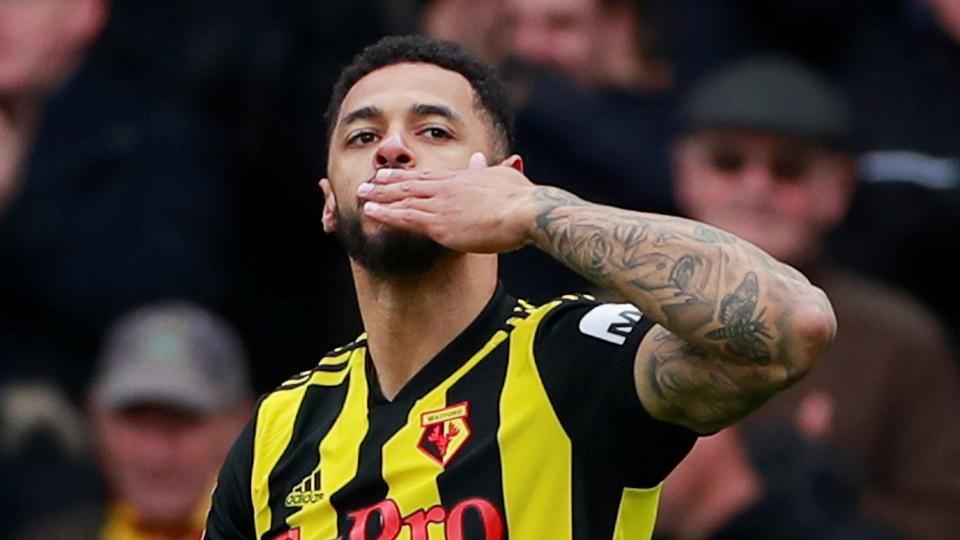
For decades, elite European academies operated like specialized assembly lines. A promising fourteen-year-old was profiled by physical frame and dominant foot, assigned a fixed shirt number, and drilled in the narrow habits of a single role. Today, that rigid model produces tactical blind spots. Modern senior football demands fluid shape transition
The 48-Team World Cup Format: Group Dynamics, Travel Logistics, and Knockout Strategy

Expanding the FIFA World Cup from 32 to 48 nations reshapes every strategic layer of international football’s premier tournament. Starting in 2026, teams are split into twelve four-team groups, advancing the top two from each pool alongside the eight best third-place finishers into a brand-new Round of 32. Reaching the final now requires eigh



















