
Highlight Culture vs. 90-Minute Context: How Short Clips Distort Tactical Debates
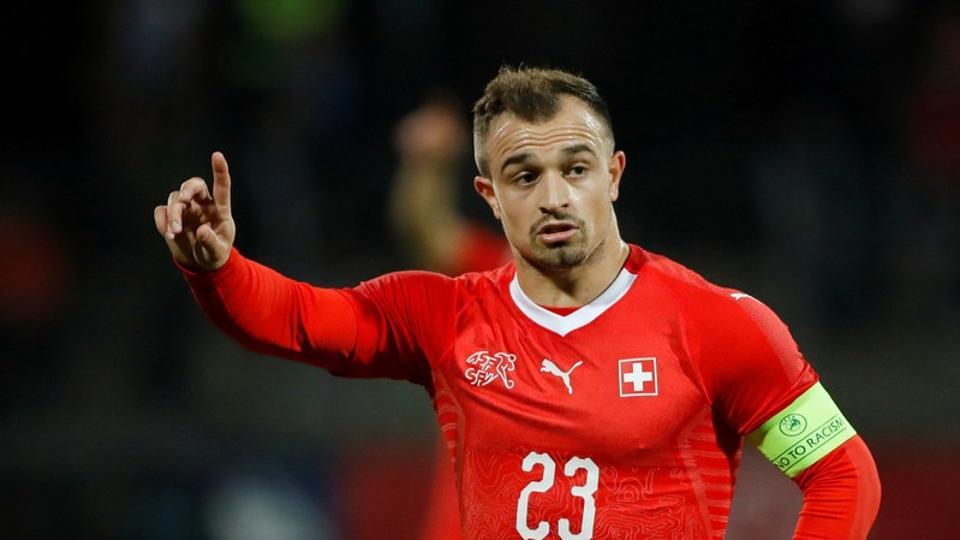
Short-form video has transformed how football is consumed across the globe. Within seconds of a match ending—and sometimes before it finishes—ten-second clips of skill moves, tactical errors, or touchline reactions circulate to millions of viewers. While highlight culture makes the sport more accessible across time zones, it systematically strips a
How Halftime Video Stills Reshape Second-Half Midfield Battles
Walk past a modern technical area during the first half and you will often see an analyst tucked beside the bench, tagging clips on a tablet connected to tactical cameras high in the stadium roof. Those wide-angle overhead feeds capture every yard of spacing that ground-level eyes can miss, turning halftime into a high-precision diagnostic session
Squad Age Curves: Mapping Prime Performance Windows Across Every Position
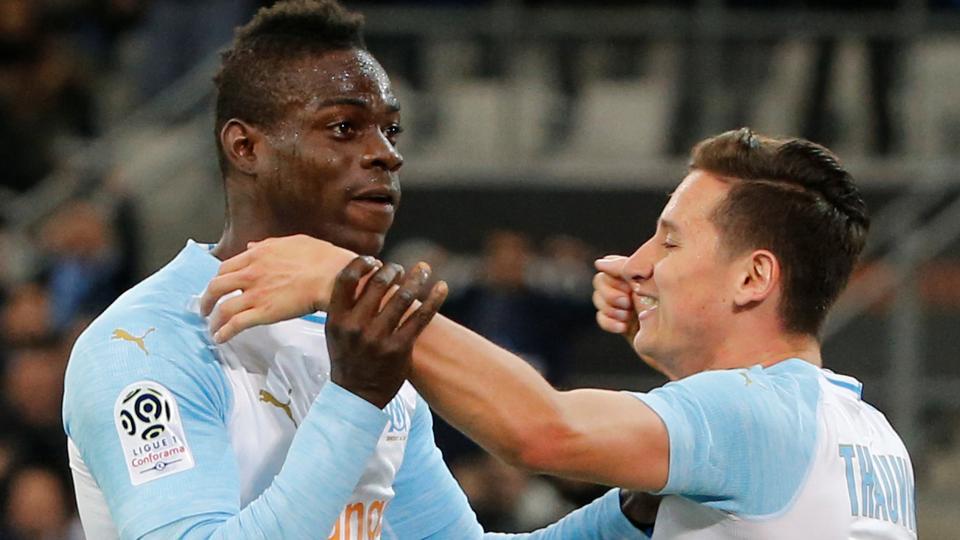
In football recruitment, treating age as a uniform number across all eleven positions leads to costly misjudgments. A twenty-eight-year-old explosive wing-back faces very different physical pressures than a twenty-eight-year-old center-back or goalkeeper. Data departments at progressive clubs model distinct positional age curves that combine high-s
Managing Altitude, Heat, and Multi-Time-Zone Travel Across North American Venues
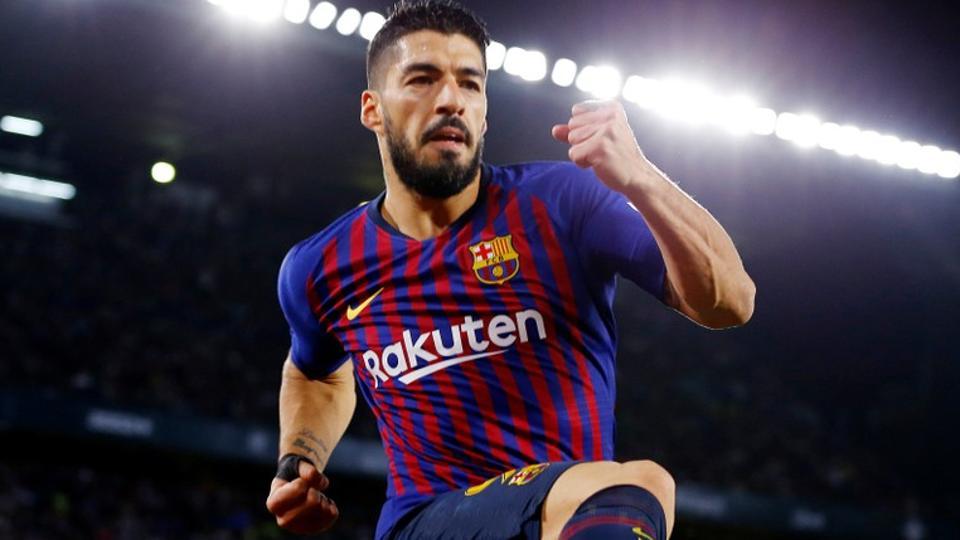
Few tournaments challenge sports science departments quite like an event spanning Mexico City, Monterrey, Dallas, Miami, Toronto, and Vancouver. Unlike compact European hosts where teams board short train rides between temperate cities, a North American tournament forces squads to confront sharp environmental swings across altitude, heat, humidity,
The Return of Target Forwards Alongside Inverted Wingers in Top Leagues
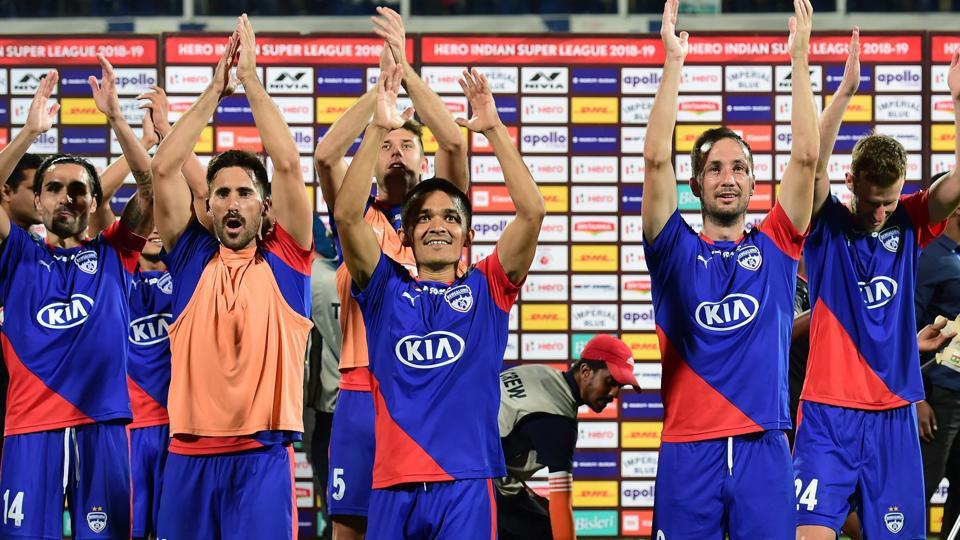
For much of the past decade, tactical fashion across Europe’s elite leagues favored mobile, false-nine forwards who dropped into midfield to create passing triangles. Yet recent seasons have witnessed a striking tactical resurgence: powerful, aerially commanding target forwards anchoring attacks alongside razor-sharp inverted wingers. Far fro
Inverted Full-Backs vs. Overlapping Wing-Backs: Choosing the Right Width Model
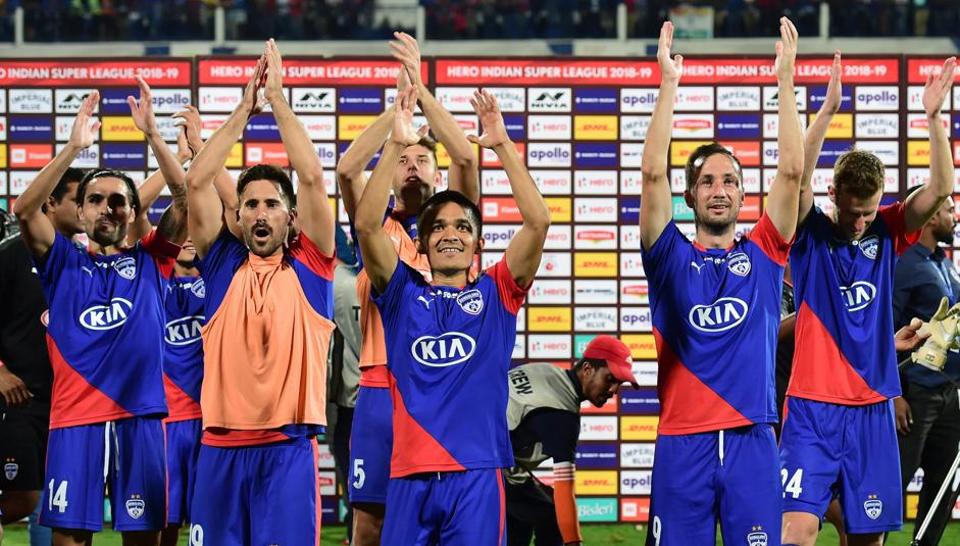
Width is one of the most valuable currencies in modern football, yet managers disagree sharply on who should provide it. Two contrasting philosophies dominate elite tactical planning: deploying inverted full-backs who drift into central midfield while wingers hug the touchline, or relying on overlapping wing-backs who surge forward from deep to sup
Why Post-Match Player Ratings Overreward Attackers and Undervalue Positional Work

Within minutes of the final whistle, automated algorithms and matchday publications publish player ratings on a tidy ten-point scale. Supporters share screenshots, debate who earned an eight and who slipped to a five, and often allow those numbers to harden into received wisdom. Yet both algorithmic and editorial rating systems suffer from deep str
Reading Pressing Triggers in the Opening Fifteen Minutes of Play
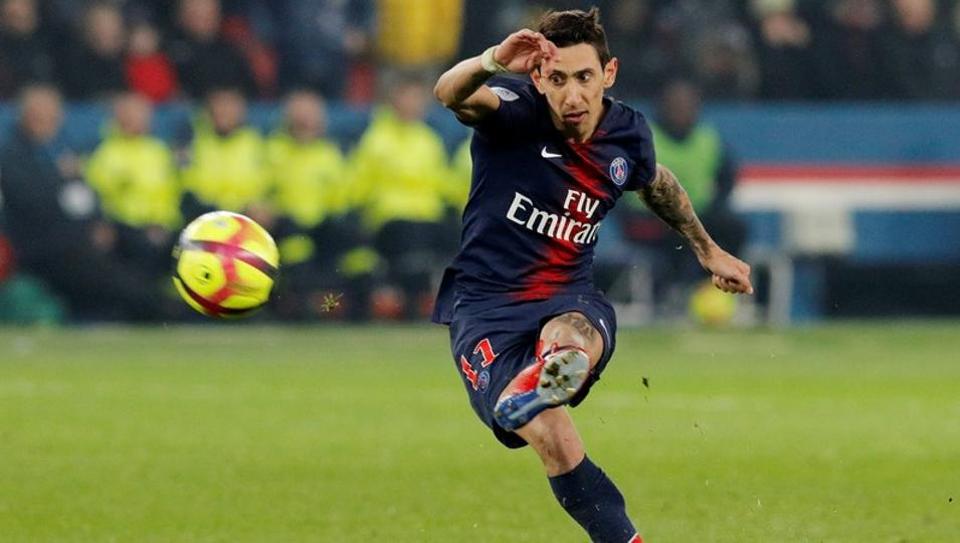
The opening fifteen minutes of a top-level football match act as a live tactical laboratory. Both sides arrive with fresh legs, rehearsed pressing blueprints, and clear hypotheses about where they can win the ball high up the pitch. Rather than chasing possession blindly, organized teams wait for specific moments—known as pressing triggers—to launc
Set-Piece Coaches: Why Dead-Ball Routines Have Become Football’s Quiet Edge
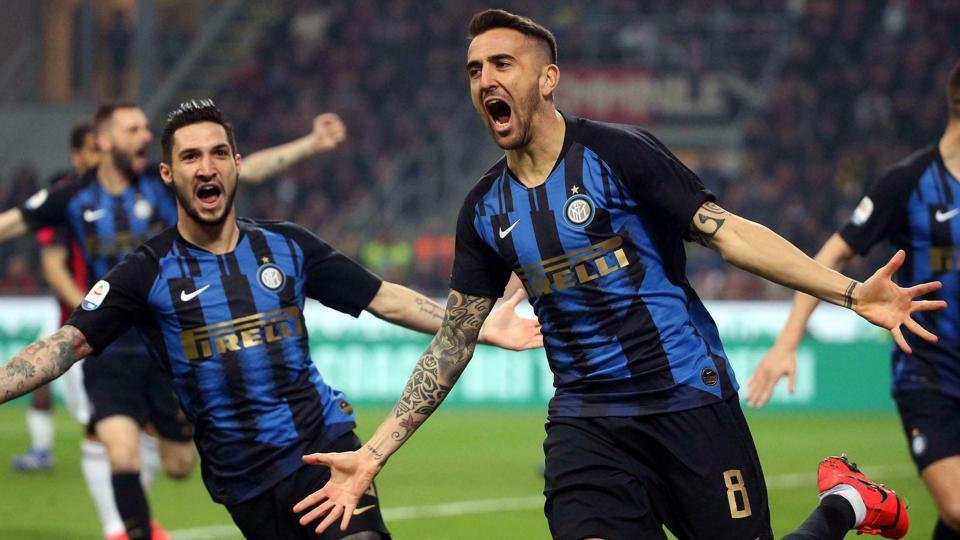
As open-play tactical structures have grown more synchronized, finding clear chances through central combinations has become harder than ever. Well-drilled mid-blocks compress space between the lines, and athletic full-backs recover quickly on wide switches. In that environment of shrinking margins, dead-ball situations represent the rare phase whe
Third-Place Qualification Math in Expanded 12-Group Tournaments
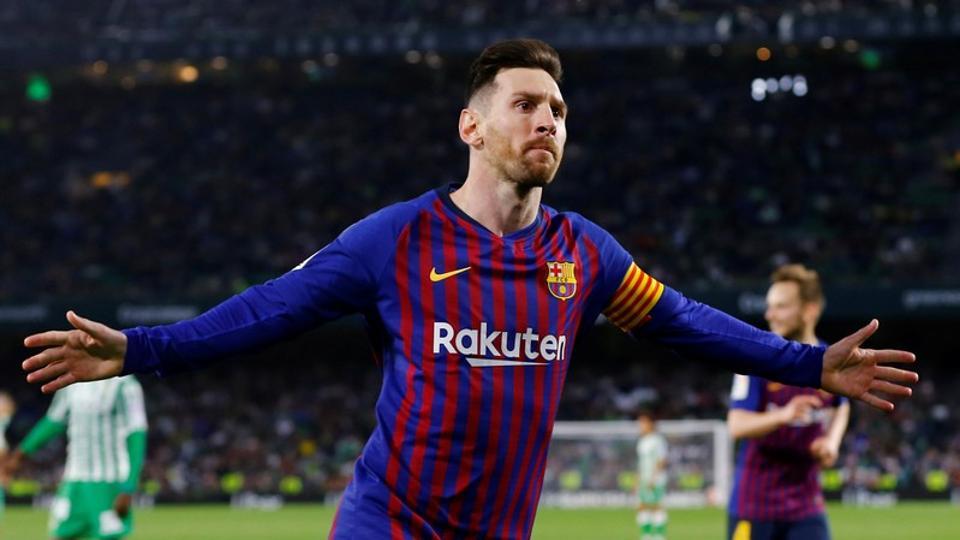
Moving from eight groups to twelve in a 48-team World Cup introduces a mathematical puzzle that fans and coaches previously saw in 24-team European Championships and earlier World Cups: ranking the best third-place teams. Out of twelve third-place finishers, eight advance to the Round of 32 while four pack their bags. Understanding the exact statis
How Winter Fixture Congestion Separates Contenders From Thin Squads

Every season reaches a brutal inflection point when domestic leagues, cup ties, and continental schedules collide across cold, heavy winter pitches. Playing every three days leaves almost no time for full tactical training sessions, turning squad depth, rotation intelligence, and recovery protocols into the decisive forces that separate genuine tit



















