
Managing a 1-0 Lead After Minute 75 Without Inviting Constant Box Pressure
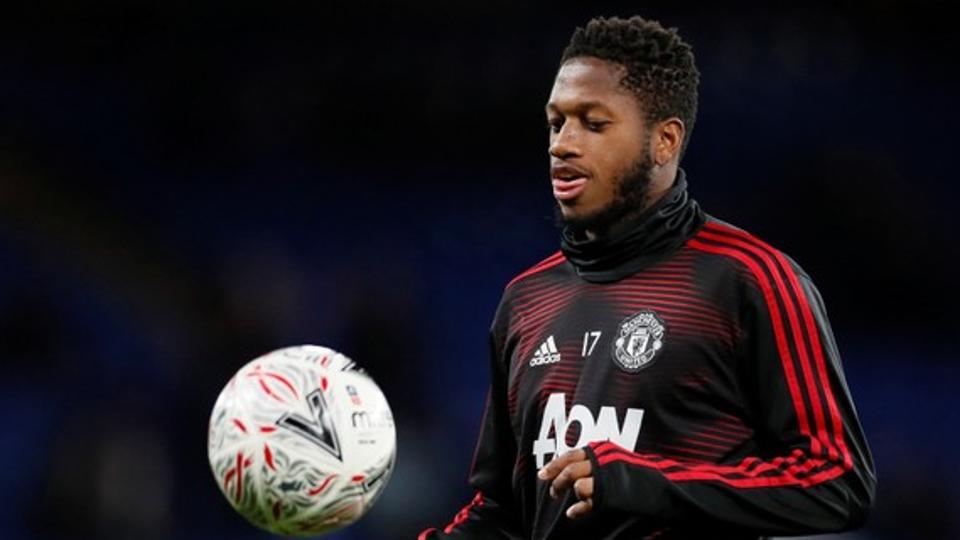
Protecting a 1-0 lead in the final fifteen minutes is one of football’s trickiest psychological and tactical balancing acts. Instinctively, defending teams drop deeper to guard the six-yard box, yet surrendering every yard of midfield territory invites wave after wave of crosses, second balls, and deflections that eventually crack even the st

Contract Amortization and Wage Ceilings in Modern European Club Planning
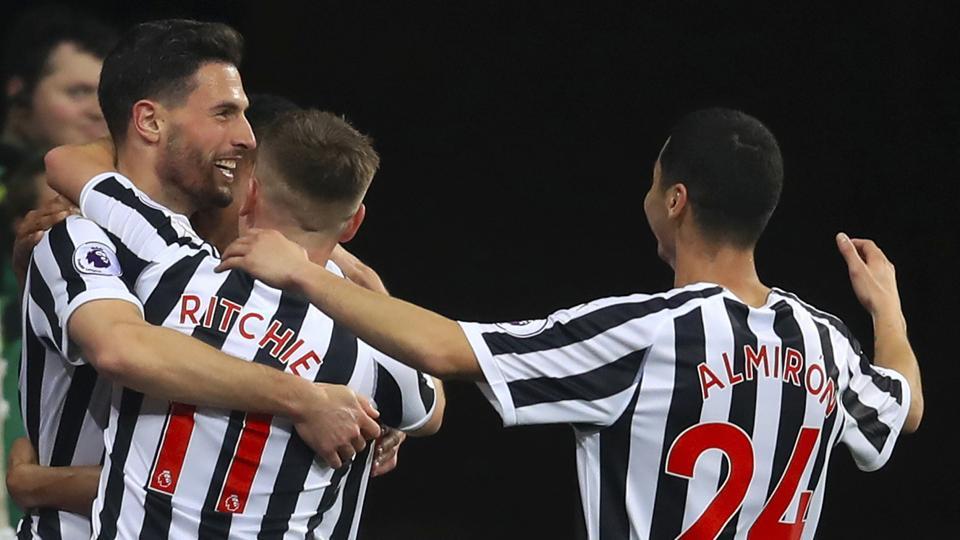
To outsiders, transfer windows appear driven by headline fees announced on broadcast tickers. Inside club boardrooms, however, executives evaluate deals through annual accounting cost: transfer fee amortization plus gross annual salary, agent commissions, and social charges. Since UEFA and domestic leagues capped amortization periods at five years

Penalty Shootout Analytics: Preparation, Order Psychology, and Goalkeeper Cues
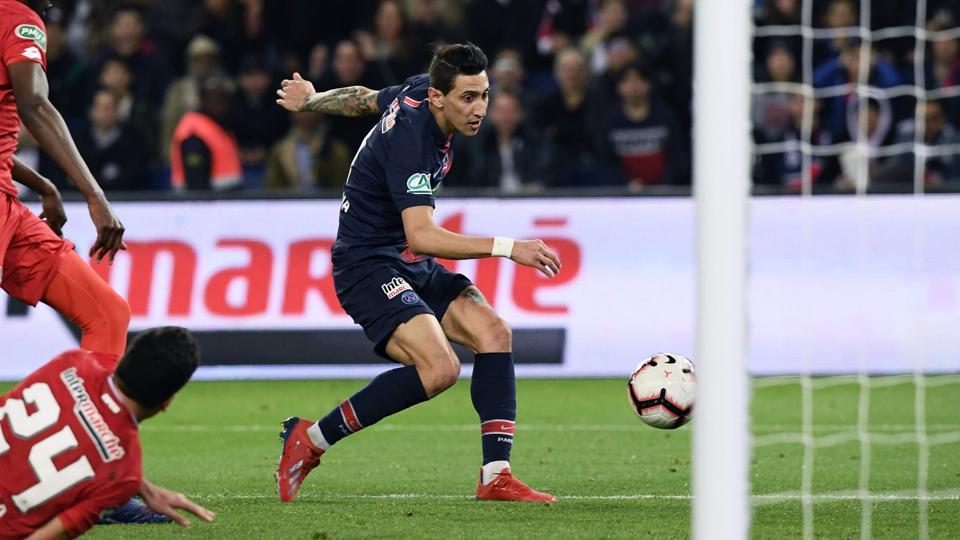
In knockout international football, roughly one in every four or five elimination ties is settled from twelve yards. Far from being a pure lottery, penalty shootouts exhibit consistent statistical patterns shaped by shooter mechanics, psychological pressure, kicking order, and pre-tournament data preparation. National teams that treat shootouts as

How Newly Promoted Clubs Survive the Step Up in Transition Speed

Every season, clubs celebrated for playing bold, expansive football in the second tier arrive in the top flight and endure a harsh tactical awakening. Strategies that earned eighty or ninety points below—high defensive lines, brave short passing through pressure, and committing fullbacks simultaneously—suddenly unravel within weeks. More than techn

Why Rest-Defense Architecture Matters More Than Attacking Numbers

Amateur analysis often equates attacking ambition with pushing as many players as possible ahead of the ball. Yet elite coaches recognize that sustained attacking pressure depends just as heavily on the players positioned behind the play. Known as rest-defense, this preventative structure governs how a team arranges its defenders and deep midfielde

Understanding Agent Leaks and Contract Leverage During Transfer Windows

During transfer windows and contract negotiations, football journalism frequently becomes an arena for strategic messaging. Supposedly private details—wage demands, rival club interest, release clauses, and dressing-room dissatisfaction—regularly appear in print at suspiciously convenient moments. Recognizing how agents, club executives, and interm

The Five-Substitution Era: Using Fresh Wingers as Tactical Match Closers

The permanent adoption of five substitutions transformed how managers construct matchday squads and pace ninety-minute contests. Previously, coaches conserved their three changes for injuries, fatigue, or late time-wasting. Today, half of the outfield team can be refreshed, turning the final thirty minutes into a distinct tactical phase where explo

Why Loan Pathways Succeed Only When Tactical Models Match Parent Clubs

Every summer, top clubs dispatch dozens of promising academy graduates on temporary loans in search of senior minutes. Too often, those placements are chosen for geographic convenience, personal agent relationships, or simple division tier rather than tactical compatibility. When a possession-oriented technical midfielder spends nine months chasing

Why Squad Depth Over Eight Knockout Matches Outweighs a Star-Heavy Starting XI
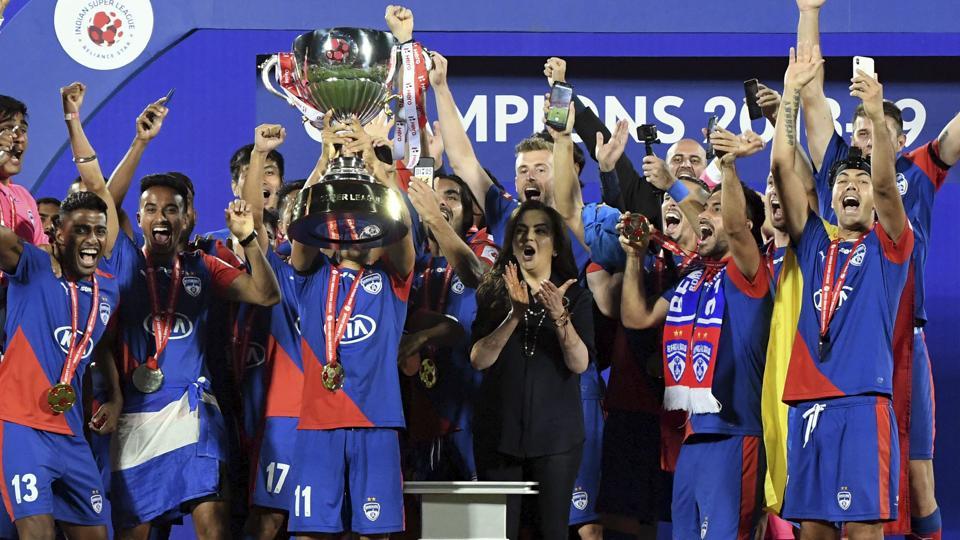
Winning an expanded 48-team World Cup requires navigating eight matches across roughly 39 days—three group fixtures followed by five consecutive elimination rounds from the Round of 32 through the final. That extra knockout hurdle fundamentally shifts roster-building priorities. A federation boasting eleven world-class starters but fragile bench co

Why Pressing Intensity Peaks in October and Adjusts Through Mid-Winter
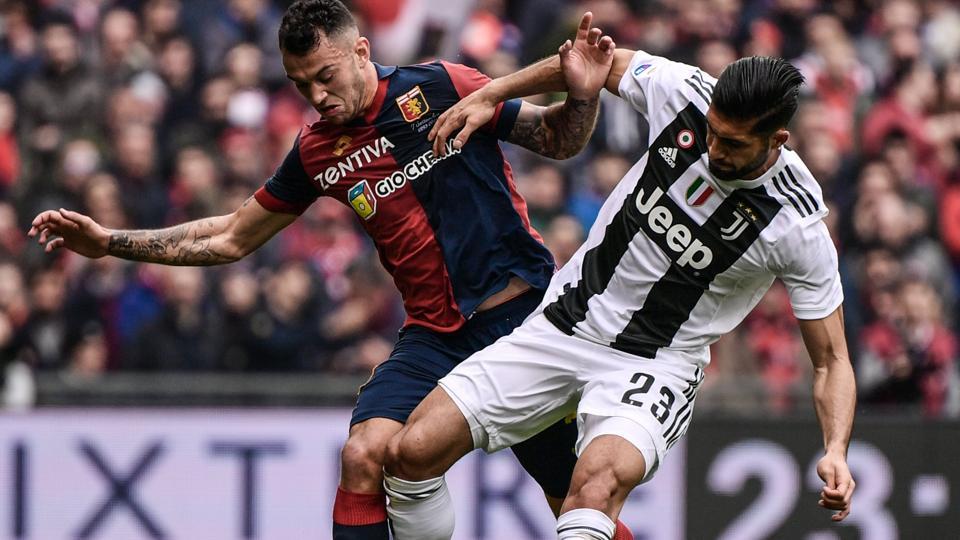
Across Europe’s major domestic campaigns, a recognizable physical and tactical rhythm plays out almost every autumn and winter. Teams burst out of September and hit ferocious pressing intensity in October, only for many of the same clubs to dial back their aggressive front-foot hunting by December and January. This seasonal shift rarely refle

The False Nine Evolution: Creating Midfield Overloads Without a Traditional Striker

Few tactical roles confuse defensive lines more effectively than the false nine. Instead of pinning center-backs near the penalty box, a false nine begins in the center-forward zone and drops into midfield as possession progresses. This single movement confronts defenders with a lose-lose choice: track the striker into unfamiliar territory and leav

















